
Brow lamination is a chemical treatment that restructures existing eyebrow hairs into a uniform, lifted direction for a fuller, groomed appearance lasting 4 to 8 weeks. Unlike microblading or tattooing, it works entirely with the hair you already have. No needles, no pigment, no permanent commitment. A single session runs 30 to 60 minutes, and results are visible the moment the technician removes the final product. If you have sparse, downward-growing, or unruly brows and want a low-maintenance solution, this treatment is worth understanding in detail before you book.
What is brow lamination and how does it work chemically?
Brow lamination is defined as a perm-style chemical process that temporarily softens and resets eyebrow hairs into a new direction. The chemistry behind it is the same principle used in hair perming, but calibrated specifically for the finer, more delicate hairs of the brow zone.
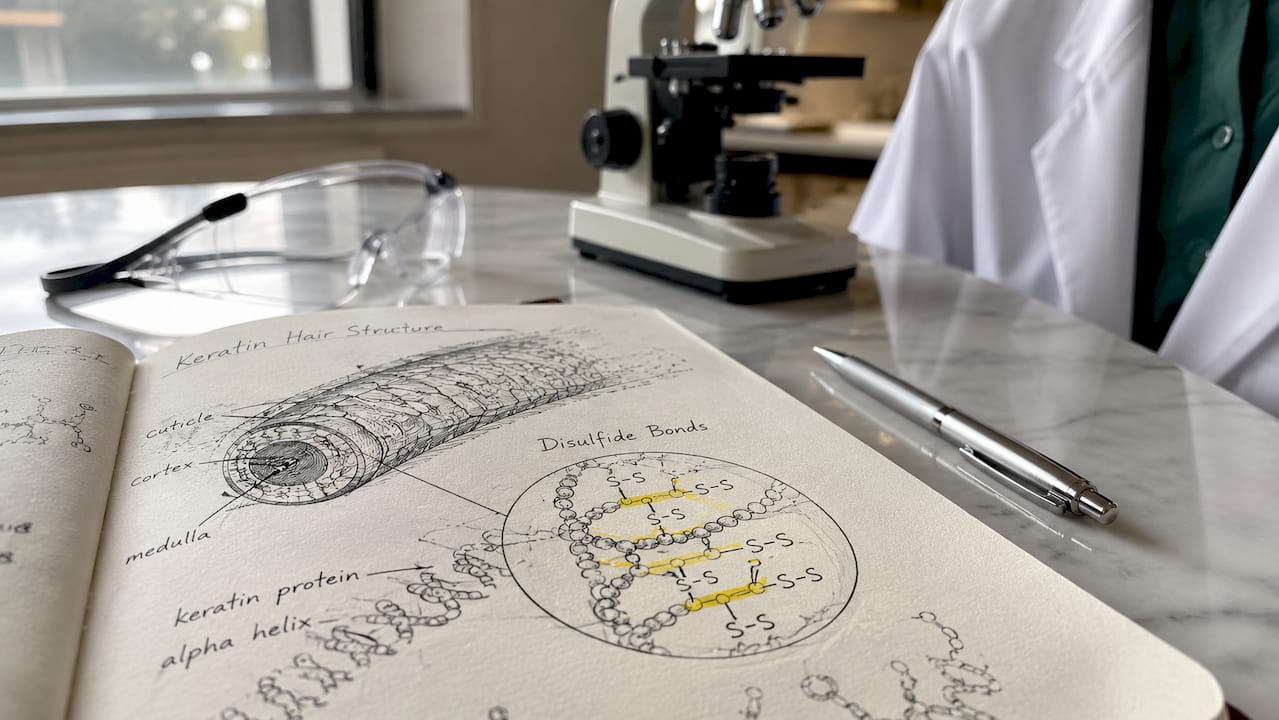
The process targets disulfide bonds inside the hair’s keratin structure. These bonds are what give each hair its natural shape and direction. An alkaline reducing solution, typically at a pH of 8 to 10, breaks those disulfide bonds and softens the hair shaft so it can be repositioned. Once the hairs are brushed into the desired direction, an acidic neutralizer at pH 2 to 4 reforms those bonds in the new position, locking the shape in place. The neutralizing step commonly uses hydrogen peroxide to complete this redox chemical reaction, which stabilizes the style until the bonds naturally break down over several weeks.
The step-by-step salon process
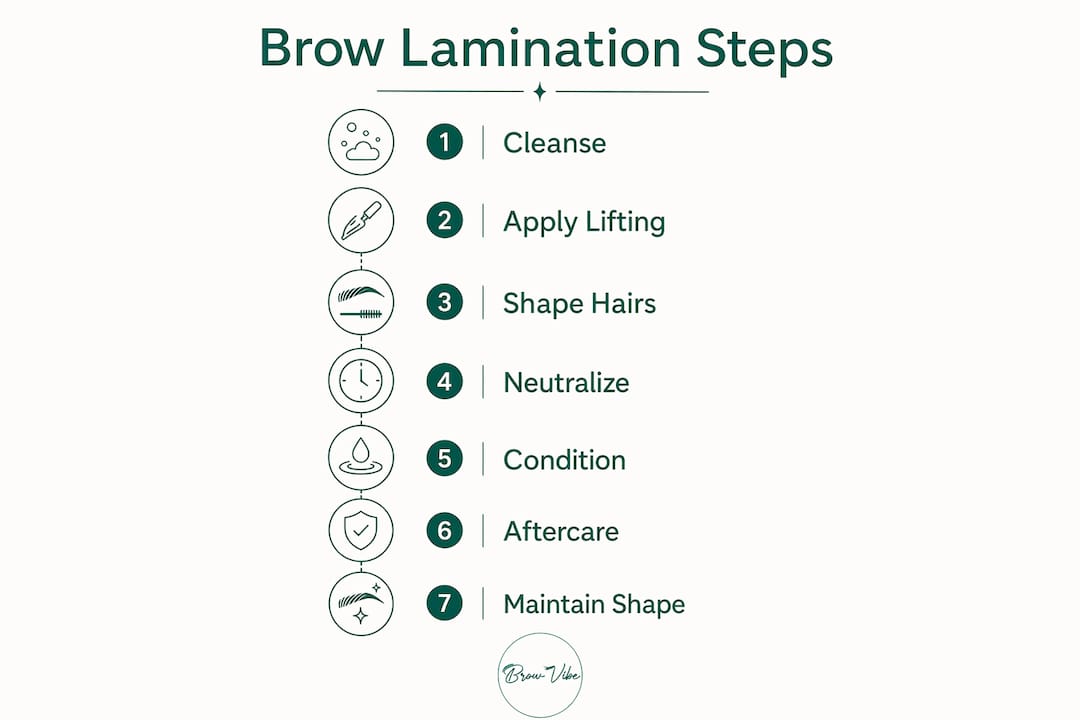
A standard brow lamination appointment follows a clear sequence:
- Cleanse the brow area to remove oils, makeup, and product residue that could interfere with chemical absorption.
- Shape the brows by mapping the desired arch and removing stray hairs through threading or waxing.
- Apply the lifting solution and leave it on for 6 to 12 minutes, depending on hair thickness and texture.
- Brush hairs upward into the target direction while the bonds are still soft and pliable.
- Apply the neutralizer for 5 to 8 minutes to reform the bonds and lock the new shape.
- Optional tint to add depth and color definition to the brows.
- Apply a conditioning treatment to restore moisture and protect the hair after chemical exposure.
Total session time runs 30 to 60 minutes, and results are visible immediately after the final step.
Pro Tip: Timing during the lifting step is the most critical variable in the entire process. The margin between a well-set brow and an over-processed one can be as little as one to two minutes, which is why technician experience matters far more than the product brand being used.
What are the benefits and who should consider it?
Brow lamination creates thicker, more uniform brows by lifting hairs upward and setting them in a consistent direction. The effect mimics the “soap brow” look that became popular on social media, but without needing gel or a brush every morning. For anyone who spends five minutes daily wrestling their brows into shape, lamination removes that step entirely for weeks at a time.
The treatment works best for specific brow types. Sparse brows benefit because lifting hairs upward creates the visual illusion of greater density. Downward-growing hairs, which can make brows look flat or droopy, are redirected to open up the eye area. Unruly brows with hairs pointing in multiple directions are unified into a single clean line. The one brow type lamination cannot help is completely absent brows. The treatment restructures existing hair. It cannot create hair where none exists.
Brow lamination vs microblading
These two treatments address different problems, and understanding the distinction prevents disappointment.
| Feature | Brow lamination | Microblading |
|---|---|---|
| What it changes | Hair direction and shape | Skin pigment (tattooed hair strokes) |
| Invasiveness | Non-invasive, no needles | Semi-invasive, uses a blade tool |
| Duration of results | 4 to 8 weeks | 12 to 18 months |
| Best for | Existing hair that needs reshaping | Sparse or absent brows needing fill |
| Downtime | None | 7 to 14 days healing |
| Reversibility | Fades naturally | Requires fading or removal |
Brow lamination is not microblading. Lamination reshapes the hairs you have. Microblading deposits pigment beneath the skin to simulate hair strokes. Many clients combine both treatments over time, but they serve different goals. If your brows are full but unruly, lamination is the right call. If your brows are genuinely sparse with visible gaps, microblading or a combination approach may be more effective.
Lamination can also act as a visual cover for gaps by combing longer hairs over thinner areas, similar to how a comb-over works. It is a practical short-term solution while you explore longer-term options like brow threading for shaping or other treatments for density.
How to care for your brows after lamination
Aftercare is the primary factor that determines how long your results last. Most people focus entirely on the treatment itself and underestimate what happens in the 48 hours after they leave the salon.
The critical window is the first 24 to 48 hours. During this period, the reformed disulfide bonds are still stabilizing. Any moisture, including water, steam, sweat, or humidity, can disrupt bond setting and cause the hairs to lose their new direction prematurely. This means no washing your face over the brows, no hot showers with steam, no workouts, and no saunas.
Here is what a solid aftercare routine looks like:
- Hours 0 to 24: Keep brows completely dry. No water, no sweat, no steam. Sleep on your back if possible to avoid friction against a pillow.
- Hours 24 to 72: Gentle cleansing is allowed. Use a water-based, fragrance-free cleanser and pat dry. Avoid rubbing the brow area.
- Day 4 onward: Begin applying a nourishing oil such as castor oil or argan oil to the brows each night. These oils condition the hair after chemical exposure and help maintain flexibility and shine.
- Ongoing: Brush brows daily with a clean spoolie to maintain direction. Apply SPF around the brow area to prevent UV degradation of the set bonds.
- Avoid always: Oil-based makeup removers and cleansers directly on the brow zone. These can break down the chemical set faster and shorten your results significantly.
Pro Tip: If your brows start losing their shape before the four-week mark, the most common cause is oil-based products applied too close to the brow zone. Switch to a micellar water or gel cleanser and you will notice a clear difference in longevity.
If you experience any burning, persistent redness, or swelling after treatment, contact your technician immediately. These are signs of a reaction that needs attention, not a symptom to wait out.
Is brow lamination safe? Risks to know before you book
Brow lamination is considered safe for most people when performed by a trained technician using quality products. The risks are real but manageable with the right precautions.
The chemicals used sit close to the eyes, which makes the risk of irritation higher than with treatments applied elsewhere on the face. Skin irritation and allergic reactions are the most commonly reported side effects. A patch test 24 to 48 hours before your full appointment is the single most effective way to identify sensitivity before it becomes a problem in the salon.
Key safety considerations include:
- Patch testing: Always request a patch test before your first appointment or when switching to a new product line. Apply a small amount of the lifting solution to your inner arm and monitor for 24 hours.
- Eye exposure: If any solution contacts your eyes during treatment, rinse immediately with cold running water and seek professional advice. Do not wait to see if the irritation resolves on its own.
- Over-processing: Leaving the lifting solution on too long causes hair damage and brittleness. This is why DIY kits carry higher risk than professional treatments. The margin for error is narrow.
- Existing skin conditions: If you have eczema, psoriasis, or active breakouts in the brow area, postpone the treatment until the skin has healed.
- Technician credentials: Book with a certified beauty professional who uses products formulated specifically for brow lamination, not repurposed lash lift kits.
The chemical effect resembles a traditional perm but is calibrated for the finer, shorter hairs of the brow. That calibration matters. Products designed for scalp hair apply chemicals at concentrations that can over-process brow hairs in minutes.
Key takeaways
Brow lamination delivers lasting, groomed results when the chemistry is applied correctly, aftercare is followed precisely, and a qualified technician manages the timing.
| Point | Details |
|---|---|
| Core process | Alkaline solution breaks disulfide bonds; acidic neutralizer reforms them in a new direction. |
| Results timeline | Results last 4 to 8 weeks and are visible immediately after treatment. |
| Best candidates | Sparse, downward-growing, or unruly brows benefit most; absent brows do not. |
| Lamination vs microblading | Lamination reshapes existing hair; microblading adds pigment for absent or sparse brows. |
| Aftercare priority | Avoid moisture for 24 to 48 hours post-treatment to protect bond stabilization. |
Why timing and trust define your brow lamination result
I have seen the full range of outcomes from brow lamination, from genuinely transformative to visibly over-processed, and the difference almost always comes down to two things: timing and communication.
The margin between a great result and a damaged one is one to two minutes during the lifting phase. That is not a comfortable margin. It is the reason I am skeptical of at-home kits, not because the chemistry is different, but because monitoring that window without training is genuinely difficult. A distraction, a phone call, or simply misjudging hair texture can push a treatment from polished to brittle.
Aftercare is the part most people underestimate. I have watched clients get a perfect result in the salon and then undo it within 72 hours by washing their face normally, going to a hot yoga class, or using a cleansing balm. Aftercare adherence is not optional. It is the second half of the treatment.
My practical advice: before your appointment, tell your technician exactly what you want. Bring a reference photo. Ask about the products being used and whether a patch test is included. A technician who welcomes those questions is one worth trusting. One who dismisses them is a signal to look elsewhere.
Combining lamination with a tint is worth considering if your brow hairs are light or uneven in color. The tint amplifies the visual impact of the lifted shape and reduces the need for brow pencil or powder even further. It adds roughly 10 minutes to the session and a noticeable difference to the result.
— Apna
Experience expert brow care at Browvibe
If you are ready to try brow lamination with a team that takes both safety and results seriously, Browvibe is the place to start. Their certified beauty artists use premium products and provide full consultations before every treatment, so your brows are shaped to suit your face, not a generic template.

Browvibe offers a full range of professional brow and lash services, including lamination, tinting, and precision threading, all performed with gentle techniques and personalized care. Whether you are booking your first lamination or exploring what combination of treatments works best for your brow type, their team walks you through every option. Visit Browvibe to book your consultation and see what well-groomed brows actually feel like.
FAQ
What is brow lamination in simple terms?
Brow lamination is a chemical treatment that softens and resets your eyebrow hairs into a lifted, uniform direction for a fuller, groomed look lasting 4 to 8 weeks. No needles or pigment are involved.
How long does a brow lamination session take?
A standard brow lamination appointment takes 30 to 60 minutes from cleansing to conditioning, with results visible immediately after the treatment is complete.
Can brow lamination damage your eyebrows?
Over-processing the lifting solution can cause brittle or frizzy brows, but damage is avoidable with a skilled technician who monitors timing carefully and uses products formulated for brow hair.
How is brow lamination different from microblading?
Brow lamination reshapes existing hairs using chemistry, while microblading uses a blade tool to deposit pigment beneath the skin. Lamination lasts weeks; microblading lasts up to 18 months.
What should you avoid after brow lamination?
Avoid water, steam, sweat, and oil-based products on the brow area for the first 24 to 48 hours. Moisture disrupts the chemical bonds before they fully stabilize, which shortens your results.