Keratin is defined as the structural protein that makes up your natural lashes, and its role in a lash lift is to condition and protect those lashes after the chemical lifting process reshapes them. A keratin lash lift, the industry term for this combined treatment, does two distinct things: it permanently curls lashes using chemical bond manipulation, then applies hydrolyzed keratin to smooth, strengthen, and restore the fiber surface. Understanding this distinction matters because marketing language often overstates what keratin actually does, and knowing the truth helps you choose the right service and set realistic expectations for your results.
What is the role of keratin in lash lift chemistry?
A standard lash lift works in two chemical steps. The first step uses a reducing agent, typically a thioglycolate derivative or cysteamine, to break disulfide bonds inside the lash fiber. Breaking those bonds makes the lash pliable enough to mold against a silicone rod into a new curl shape.
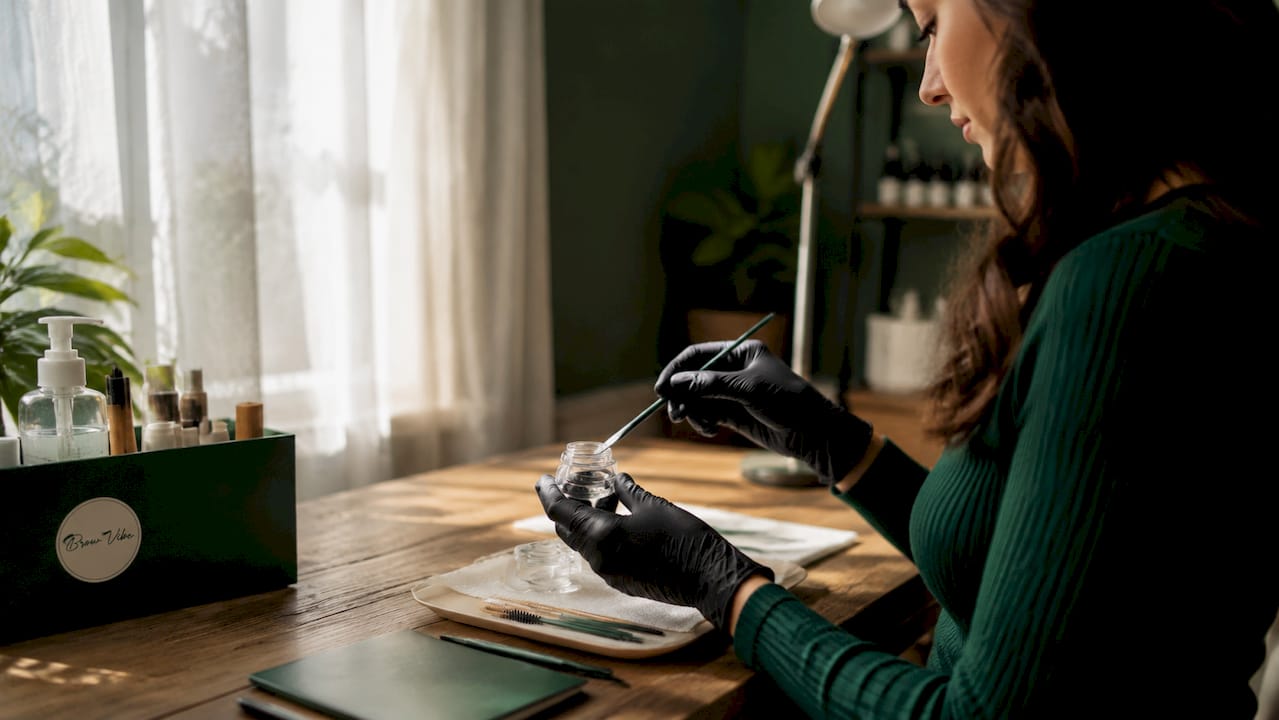
The second step applies a neutralizer, which reforms those disulfide bonds in the new position. This locks the curl in place. Keratin is not involved in either of these two steps. It is applied after neutralization as a conditioning and film-forming treatment, not as a bond-breaking or bond-setting agent.
This timing matters. The lash fiber is structurally vulnerable immediately after chemical reshaping. Protein has been displaced, the cuticle is roughened, and the fiber is more prone to breakage. Applying hydrolyzed keratin at this stage fills microscopic gaps and restores protein lost during chemical reshaping, leaving lashes thicker and glossier.
Here is the sequence in order:
- Lifting lotion (reducing agent) is applied to soften and reshape the lash around a rod.
- Neutralizer is applied to lock the new curl shape by reforming disulfide bonds.
- Keratin treatment is applied post-lift to condition, smooth, and protect the lash surface.
- Aftercare begins immediately, with the client avoiding moisture and rubbing for the first 24–48 hours.
Pro Tip: Ask your technician which reducing agent is in the lifting lotion before your appointment. Thioglycolate and cysteamine produce different results on fine or sensitive lashes, and knowing the chemistry helps you make a better choice.
What are the real benefits of keratin for lashes?
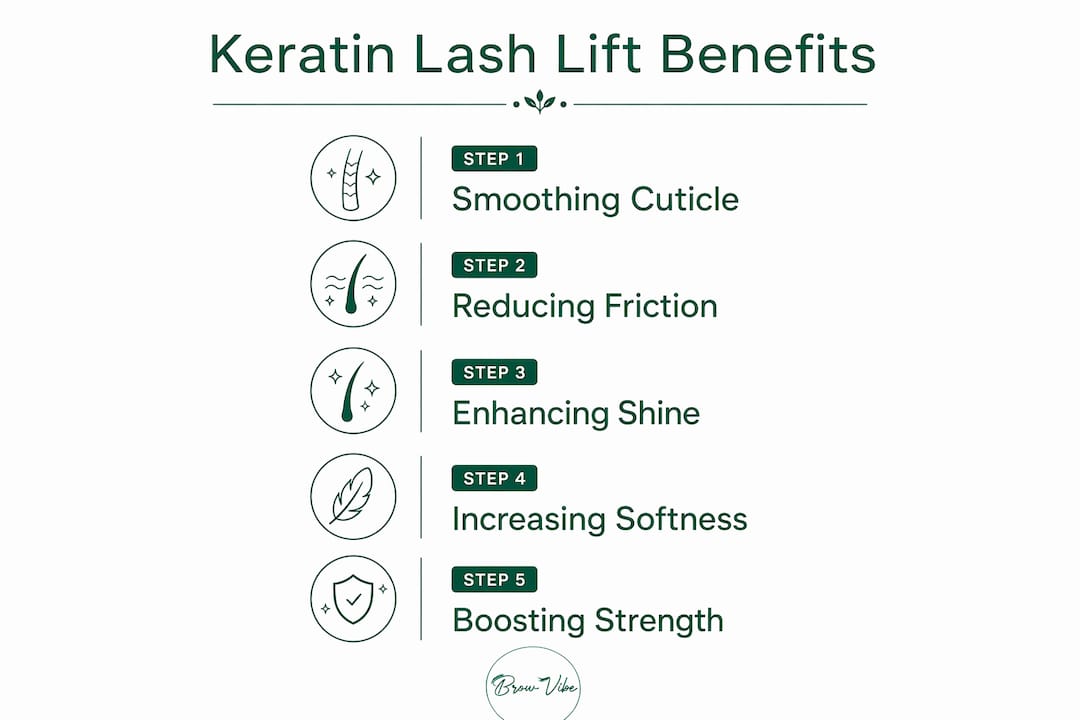
Hydrolyzed keratin forms thin films on the lash fiber surface that smooth the cuticle, reduce friction, and enhance shine. These are cosmetic improvements, not permanent structural changes. The lash does not grow back stronger because of a single keratin application. The benefits are real but modest per session.
Trichologist Penny James notes that keratin protects and strengthens lashes during and after the chemical lift process, creating a voluminous look by working alongside the curl rather than creating it. That distinction is worth holding onto. Keratin supports the result. It does not create it.
The specific improvements you can expect from keratin conditioning include:
- Smoother texture: The protein film coats rough cuticle edges left by chemical processing.
- Improved gloss: A flatter cuticle surface reflects light more evenly, making lashes appear shinier.
- Reduced brittleness: Keratin fills surface gaps, making the lash fiber less prone to snapping during the weeks after your lift.
- Softer feel: Lashes feel less wiry and more natural to the touch.
Keratin lash lifts require touch-ups every 6–8 weeks to maintain both the curl and the conditioning effect. That cycle aligns with the natural lash growth cycle, which replaces most lashes within that window anyway. The cumulative benefit of repeated keratin conditioning across multiple appointments is where the real improvement in lash health shows up. One session improves surface texture. Six sessions over a year produce noticeably healthier, more resilient lashes.
Pro Tip: The lash lift results you see at week one are not the same as what you will see at week six. Keratin benefits peak in the first two weeks when the conditioning film is freshest.
How does a keratin lash lift compare to a traditional lift?
The core chemistry is the same in both treatments. Both use a reducing agent to break disulfide bonds and a neutralizer to reform them. The difference is what happens after neutralization.
| Feature | Traditional lash lift | Keratin lash lift |
|---|---|---|
| Reducing agent | Typically thioglycolate | Thioglycolate or cysteamine |
| Post-lift conditioning | Minimal or none | Hydrolyzed keratin applied |
| Lash health impact | Curl only | Curl plus surface conditioning |
| Best for | Normal lash types | Fine, fragile, or sensitized lashes |
| Curl longevity | 6–8 weeks | 6–8 weeks |
| Lash feel after treatment | Can feel drier | Softer and smoother |
Cysteamine-based reducing agents are gentler than thioglycolate and are often paired with keratin conditioning in formulas designed for clients with fine or sensitive lashes. This combination reduces the risk of over-processing while still delivering a clean curl. Traditional thioglycolate lifts work well on thicker, more resilient lashes but can leave finer lashes feeling brittle without a conditioning step.
The keratin lash lift does not produce a tighter or longer-lasting curl than a traditional lift. Curl longevity depends on the reducing agent, rod size, and processing time, not on the keratin step. What the keratin step adds is a healthier lash surface and a more comfortable experience in the weeks that follow.
Pro Tip: If you have fine or color-treated lashes, ask specifically for a cysteamine-based formula with keratin conditioning. The gentler chemistry reduces the risk of post-lift breakage significantly.
What aftercare practices protect your keratin results?
Aftercare is where most people lose their results early. The keratin film applied during your lift is still bonding to the lash surface in the first 24–48 hours. Disrupting it during that window reduces how long the conditioning benefits last.
Proper aftercare includes avoiding moisture, rubbing, and oil-based products immediately after your lift. Follow these steps to protect your results:
- Keep lashes dry for 24–48 hours. Water disrupts the keratin film before it fully sets. Skip steam rooms, swimming, and heavy workouts during this window.
- Avoid rubbing your eyes. Friction breaks down the keratin coating and can distort the curl shape before it fully stabilizes.
- Switch to an oil-free cleanser around the eye area. Oil-based makeup removers break down the keratin film faster than water-based formulas.
- Use a lash serum with nourishing peptides or keratin between appointments. Daily conditioning extends the surface benefits between your 6–8 week touch-ups.
- Schedule your next appointment before your lift drops. Booking at week six rather than week nine keeps your lashes in better condition over time.
The lash lift aftercare window is not just about preserving curl. It is about giving the keratin conditioning step the best chance to deliver its full benefit. Clients who follow aftercare instructions consistently report softer, healthier-looking lashes at their next appointment compared to clients who skip it.
Key Takeaways
Keratin conditions and protects lashes after chemical lifting, delivering cumulative improvements in softness, gloss, and resilience across repeated treatments rather than dramatic changes from a single session.
| Point | Details |
|---|---|
| Keratin’s role is post-lift | Keratin is applied after the chemical curl step, not during it. |
| Benefits are cosmetic and cumulative | Expect smoother, glossier lashes over multiple sessions, not dramatic volume gains. |
| Cysteamine suits sensitive lashes | Fine or fragile lashes respond better to cysteamine-based formulas paired with keratin. |
| Lifts last 6–8 weeks | Both traditional and keratin lifts require touch-ups every 6–8 weeks to maintain results. |
| Aftercare protects the keratin film | Avoiding moisture and oil for 48 hours after your lift maximizes conditioning retention. |
What I actually tell clients about keratin and lash lifts
The biggest misconception I see is clients expecting keratin to do the heavy lifting, literally. They come in thinking the keratin is what curls their lashes or that it will dramatically thicken them. It does neither. The curl comes from the chemistry of breaking and reforming disulfide bonds. Keratin is the recovery step, not the active agent.
That said, I do think the keratin step is worth it, especially for clients with fine or previously processed lashes. The lash lift best practices I follow always include a conditioning phase because lashes are genuinely vulnerable right after chemical reshaping. Skipping keratin to cut costs or time is a false economy. You get a curl, but you also get a drier, more brittle lash that breaks faster.
What I tell every client is this: one keratin lash lift will improve how your lashes look and feel for a few weeks. A consistent routine of keratin-conditioned lifts every 6–8 weeks, combined with proper aftercare, will genuinely improve your lash health over time. The keratin protein additives reinforce lashes during their chemically vulnerable state, but the real gains come from repeated care. Manage your expectations per session, and you will be consistently happy with your results.
— Apna
Browvibe’s approach to keratin lash lift treatments
Browvibe combines professional lifting chemistry with keratin conditioning to deliver results that look great and keep your lashes in better shape over time.
At Browvibe, every lash lift appointment includes a full consultation to match the lifting formula and rod size to your lash type. Technicians select the appropriate reducing agent, whether thioglycolate or cysteamine-based, and apply a hydrolyzed keratin conditioning step after neutralization. Clients with fine or sensitized lashes get a gentler formula without sacrificing curl quality. Browvibe also provides personalized aftercare guidance at every appointment so your results last the full 6–8 weeks. Book your keratin lash lift at Browvibe’s professional lash services and see what properly conditioned lashes feel like.
FAQ
What does keratin actually do in a lash lift?
Keratin is applied after the chemical curl step to condition and smooth the lash surface. It forms a protective film that reduces brittleness, improves shine, and restores protein lost during chemical reshaping.
Is a keratin lash lift better than a regular lash lift?
A keratin lash lift adds a conditioning step that a traditional lift often skips, making it a better choice for fine, fragile, or sensitized lashes. Curl longevity is similar for both, but lash health and texture are noticeably better with keratin conditioning.
How long does a keratin lash lift last?
A keratin lash lift lasts 6–8 weeks, which aligns with the natural lash growth cycle. Regular touch-ups at this interval maintain both the curl and the conditioning benefits.
Can keratin damage your lashes?
Keratin conditioning is low risk and does not define the safety of a lash lift on its own. The safety of lash lifts depends primarily on the reducing and neutralizing agents used, not the keratin step.
How do I maintain keratin benefits between appointments?
Avoid oil-based products and moisture for 48 hours after your lift, use a gentle eye-area cleanser, and apply a lash serum with nourishing peptides or keratin daily to extend the conditioning effect between sessions.