
Natural lash growth after repeated lifts is fully achievable when you stop chemical treatments and commit to a targeted recovery routine. Lash lifting, known professionally as lash perming or keratin lash lifting, reshapes lashes using chemical solutions that alter the hair’s internal structure. Done once or twice a year, the results are beautiful. Done too often, the cumulative damage slows regrowth and weakens lash integrity. This guide covers the science behind lash recovery, the products that actually work, including Elleeplex Re-Gen and LashPLEX 2.0, and the daily habits that make the difference between months of frustration and real, visible results.
How does the natural eyelash growth cycle affect recovery after repeated lifts?
The natural eyelash growth cycle runs through three phases: Anagen (active growth), Catagen (transition), and Telogen (resting and shedding). Each lash operates on its own independent timeline, which is why you never lose all your lashes at once.
- Anagen phase: Lashes actively grow for 30–45 days. This is the only window where follicle-driven growth occurs.
- Catagen phase: Growth stops and the follicle shrinks. This lasts roughly 2–3 weeks.
- Telogen phase: The lash rests, then sheds naturally. A new lash begins growing underneath.
The full replacement cycle takes 4–8 weeks from shedding to a visible new lash. That timeline holds even after chemical damage, which is why patience is non-negotiable.
Repeated lash lifts cause damage by breaking the disulfide bonds inside each hair shaft. These bonds give lashes their natural strength and flexibility. When a lift solution is applied too frequently, those bonds break down faster than the lash can recover. The result is brittleness, uneven curl, and in severe cases, lash breakage at the root.
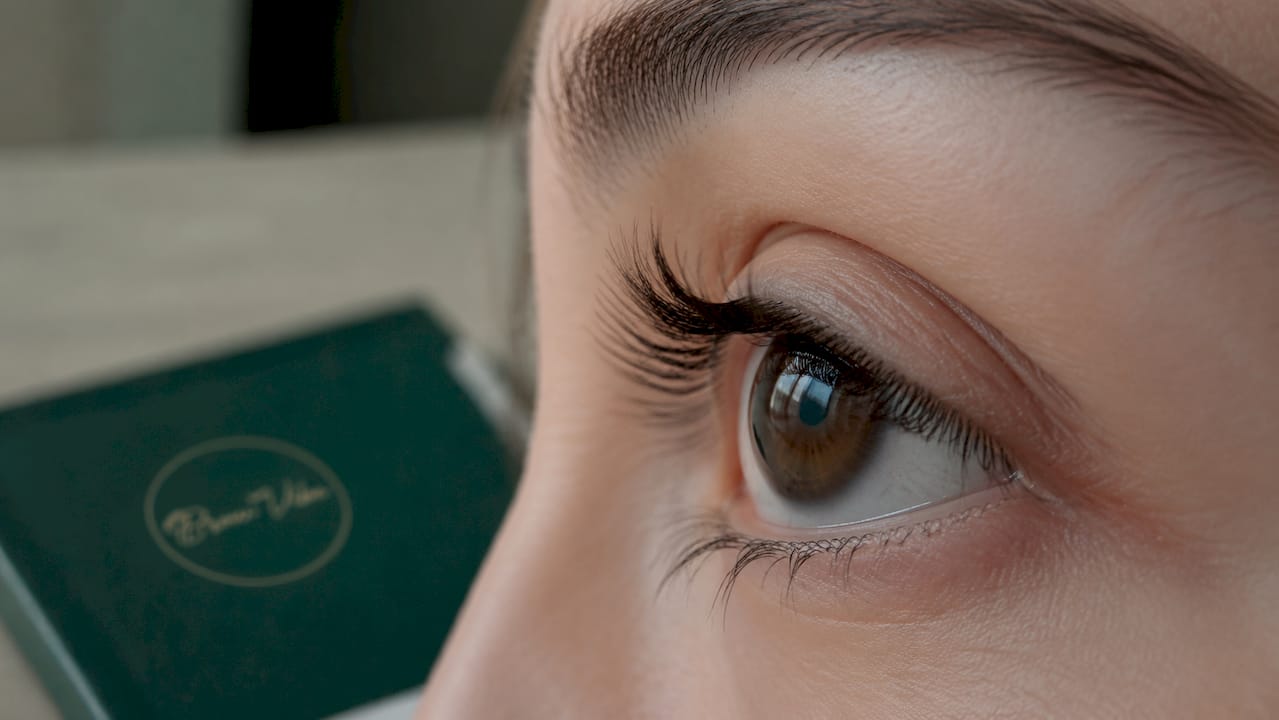
The good news is that lash follicles are rarely permanently damaged by chemical lifts. The follicle itself sits deep in the skin and is largely protected from topical chemical solutions. What gets damaged is the lash strand above the skin, not the follicle driving new growth. New lashes will grow. The goal is to protect what you have while that process unfolds.
Pro Tip: If your lashes feel crunchy or look kinked after a lift, that is a sign of over-processing. Do not book another lift until new growth has fully replaced the damaged strands.
What products actually support natural lash repair and growth?
The most effective products for lash recovery after lifting contain peptides, amino acids, and ceramides. These ingredients work at the structural level to support new lash growth and strengthen the strands that remain. Conditioning treatments like Elleeplex Re-Gen and LashPLEX 2.0 are specifically formulated for post-lift recovery. They maintain lash flexibility and reduce moisture loss while new growth comes in.
Natural oils are a popular home remedy, and they do offer real benefits, but within limits. Coconut oil penetrates the hair shaft to prevent protein loss and condition the surface. Castor oil has a slight edge in possible growth promotion, though neither oil has robust clinical support for accelerating follicle activity. If you want to use a natural option alongside your serum, a castor oil roller applicator makes nightly application clean and precise.
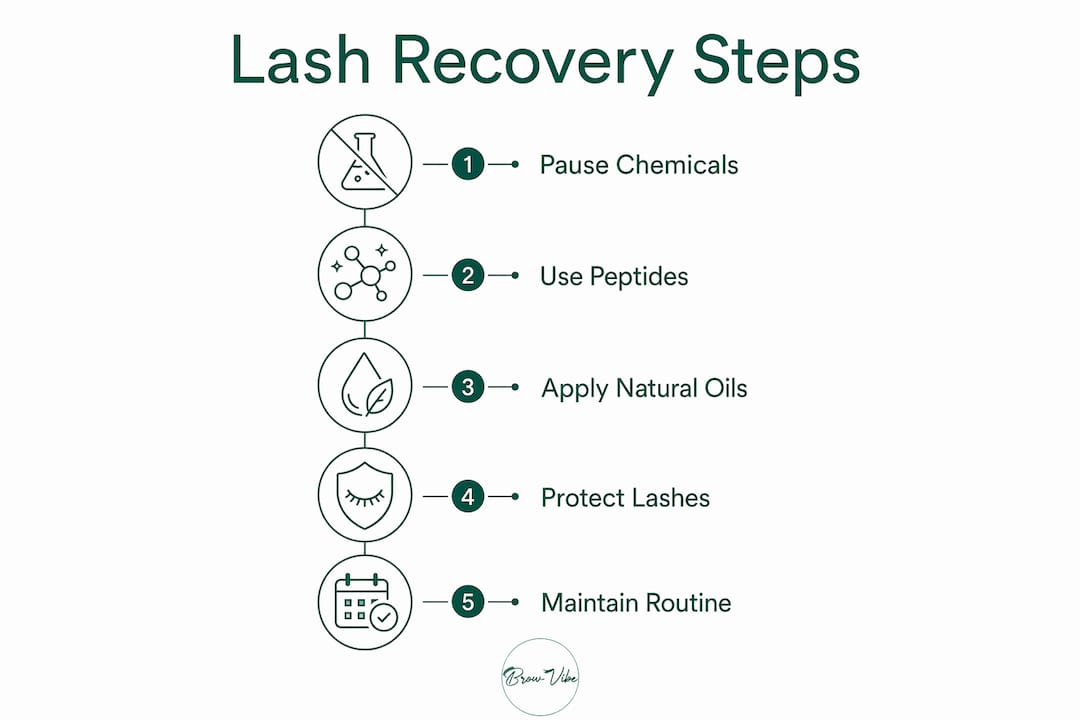
The critical distinction is this: peptides and ceramides address lash structure and elasticity, while oils address surface conditioning only. Neither can repair broken disulfide bonds. Only new lash growth fully restores normal lash health.
| Treatment type | Key benefit | Limitation |
|---|---|---|
| Professional serums (Elleeplex Re-Gen, LashPLEX 2.0) | Strengthen new growth, reduce moisture loss | Cannot repair existing bond damage |
| Natural oils (castor, coconut) | Surface conditioning, minor protein protection | No clinical evidence for faster growth |
| DIY remedies (vitamin E, aloe vera) | Mild hydration and soothing | Minimal structural benefit |
Pro Tip: Apply your lash serum at the lash line every night before bed, not on the tips. The follicle zone is where the active ingredients do their best work.
Safety matters during recovery. Avoid any product containing alcohol, strong surfactants, or retinoids near the lash line while lashes are compromised. These ingredients strip moisture and worsen brittleness in already fragile strands.
- Use a gentle, oil-based makeup remover instead of micellar water with alcohol
- Avoid waterproof mascara during recovery since removal requires heavy rubbing
- Skip mechanical lash curlers entirely until new growth is fully established
What does a daily lash care routine look like during recovery?
A consistent daily routine is the single most controllable factor in how to promote lash growth after chemical damage. Structure it around four priorities: gentle cleansing, targeted conditioning, physical protection, and nutritional support.
-
Cleanse gently every evening. Use a foam or gel cleanser free of sulfates and alcohol. Wet your lashes with lukewarm water, apply cleanser with a soft brush or your fingertips, and rinse without rubbing. Pat dry with a soft cloth. Never pull or tug.
-
Apply your lash serum immediately after cleansing. The lash line is clean and slightly open after washing, which improves absorption. Use a single stroke along the upper lash line. Products like Elleeplex Re-Gen work best applied consistently every night rather than sporadically.
-
Protect lashes from physical stress during the day. Avoid sleeping face-down on a pillow, which bends and breaks fragile lashes. A silk pillowcase reduces friction significantly. Skip lash curlers and heavy mascara formulas until your lashes feel strong again.
-
Support growth from the inside. Biotin, found in eggs, nuts, and leafy greens, supports keratin production throughout the body, including lashes. Zinc and iron deficiencies are linked to hair shedding. If your diet is limited, a general hair and nail supplement can fill gaps.
-
Schedule your next lift correctly. Repeated lifts should be spaced at least 6–8 weeks apart and only after a professional confirms lash integrity. Booking too soon increases breakage risk and undermines every recovery step you have taken.
-
Follow professional aftercare guidelines. The first 48 hours after any lift are critical. Avoid water, steam, and eye makeup during that window. Browvibe’s lash lift aftercare guide covers the full protocol in detail.
Pro Tip: Give yourself a realistic timeline. Visible improvement in lash texture and density takes 4–6 weeks of consistent care. Full restoration after severe damage can take 12 or more weeks. Mark your calendar and commit to the routine before judging results.
How do you recognize lash damage from repeated lifts?
Recognizing damage early is the fastest path to recovery. The longer you continue lifting over compromised lashes, the longer the repair process takes.
Signs your lashes are over-processed:
- Lashes feel dry, brittle, or straw-like to the touch
- Curl is uneven, with some lashes pointing in different directions
- Lashes break off near the root rather than shedding naturally
- Noticeable thinning or gaps in the lash line
- Lashes lose their curl within days of a lift rather than lasting weeks
“The crucial step to long-term lash health after over-processing is a ‘pause and restore’ phase focusing on hydration rather than immediate corrective chemical treatments.” — Elan Official USA
Recovery from severe over-processing requires pausing all chemical treatments for at least 8–10 weeks, with visible improvements appearing in 4–6 weeks. Severe cases, where lashes feel fried or break on contact, need 12 or more weeks of natural regrowth for full restoration.
Do not attempt a corrective lift at home if you notice these symptoms. Professional corrective techniques involve limited, targeted processing on lash tips only, applied only after confirming lash integrity. A full re-lift on brittle lashes causes breakage and must be avoided. If you suspect serious damage, Browvibe’s guide on handling a lift gone wrong walks through safe corrective steps.
The most common mistake is repeating a lift to fix a bad result. Booking too soon stresses lashes further and increases the risk of breakage and poor curl retention. When in doubt, wait and condition.
Key takeaways
Natural lash growth after repeated lifts requires pausing chemical services, applying peptide-based serums consistently, and allowing 4–12 weeks for visible restoration depending on damage severity.
| Point | Details |
|---|---|
| Pause all chemical treatments | Stop lifting for at least 8–10 weeks to allow lash recovery and new growth. |
| Use peptide-based serums | Products like Elleeplex Re-Gen and LashPLEX 2.0 strengthen new growth better than oils alone. |
| Follow a daily care routine | Gentle cleansing, nightly serum application, and physical protection drive consistent recovery. |
| Recognize damage early | Brittleness, uneven curl, and breakage are signals to stop lifting and start conditioning. |
| Space lifts correctly | Wait at least 6–8 weeks between services and get a professional assessment before re-lifting. |
What I’ve learned about lash recovery that most guides skip
Most lash recovery articles tell you to use a serum and wait. That is true, but it misses the harder part: managing the urge to fix things too quickly.
The clients I see who recover fastest are the ones who accept the pause. They stop trying to correct a bad lift with another lift. They put down the mechanical curler. They apply their Elleeplex Re-Gen every single night without skipping. And they stop measuring progress week by week.
The ones who struggle are the ones who book a corrective appointment at four weeks because they cannot stand how their lashes look. That decision resets the clock every time.
There is also a misconception worth addressing directly. Many people believe that castor oil or organic castor oil will speed up regrowth the way a serum does. It will not. Oils condition the surface beautifully and reduce breakage from dryness, but they do not communicate with the follicle. A good serum and a good oil are not competing. They work on different problems. Use both if you want, but do not replace one with the other.
The most underrated lash health tip I can offer is this: treat your lashes the way you treat your skin after a sunburn. You would not exfoliate a sunburn. You would not apply a chemical peel. You would hydrate, protect, and wait. Your lashes deserve the same logic.
— Apna
How Browvibe supports your lash recovery
If your lashes are showing signs of over-processing, or you want to prevent damage before it starts, Browvibe’s certified beauty artists are trained to assess lash integrity before every service.
Browvibe combines gentle techniques with premium conditioning products to deliver professional lash services that protect your natural lashes at every stage. Every client receives a full consultation so your lash health drives the treatment plan, not a fixed schedule. Whether you need a recovery-focused conditioning treatment or guidance on when it is safe to lift again, Browvibe’s team gives you a clear, honest answer backed by real expertise. Book a consultation and get a personalized recovery plan built around your lashes.
FAQ
How long does natural lash growth take after repeated lifts?
The natural lash replacement cycle takes 4–8 weeks under normal conditions. After severe chemical over-processing, full restoration can take 12 or more weeks of uninterrupted recovery.
Do lash lifts cause permanent thinning?
Lash lifts do not typically cause permanent follicle damage. The follicle sits deep enough to avoid direct chemical contact, so new lashes will grow. Repeated over-processing does cause temporary thinning through breakage and accelerated shedding.
What is the best serum for lash recovery after lifting?
Products containing peptides, amino acids, and ceramides, such as Elleeplex Re-Gen and LashPLEX 2.0, are the most effective options. Serums support elasticity and strengthen new growth, though they cannot repair existing bond damage.
How soon can I get another lash lift after damage?
Lifts should be spaced at least 6–8 weeks apart and only performed after a professional confirms lash integrity. Booking sooner increases breakage risk and worsens cumulative damage.
Can I use castor oil during lash recovery?
Yes, castor oil conditions the lash surface and helps prevent protein loss, but it does not accelerate follicle-driven growth. Use it alongside a peptide serum for surface conditioning, not as a replacement for a targeted recovery product.