A lash lift is defined as a semi-permanent treatment that chemically restructures the natural lash around a silicone rod to create a lifted, curled appearance without extensions. The lash lift best practices certified artists follow are not optional refinements. They are the difference between a treatment that lasts six to eight weeks and one that damages lashes or triggers an adverse reaction. Certified programs like those built around Elleebana, Elleeplex Profusion, and Belmacil tint teach a precise sequence of steps, product handling protocols, and client screening methods that separate professional results from amateur ones. Whether you are building your skills or choosing where to book your next treatment, understanding these standards matters.
1. What are the essential certified lash lift techniques?
Certified lash lift techniques begin with one non-negotiable principle: processing times must be adjusted according to lash type, thickness, and chemical history. A single fixed timer applied to every client is one of the most common causes of over-processed, frizzy lashes. Thin, fine lashes process faster. Coarse, resistant lashes need more time. Previously treated lashes sit in their own category entirely.
The flex check is the most reliable method certified artists use to determine when processing is complete. Rather than trusting a timer alone, the artist gently lifts a few lashes from the rod mid-process to assess flexibility and curl. The flex check technique gives client-specific timing control that no generic chart can replicate. This single habit separates technically skilled artists from those who rely on guesswork.
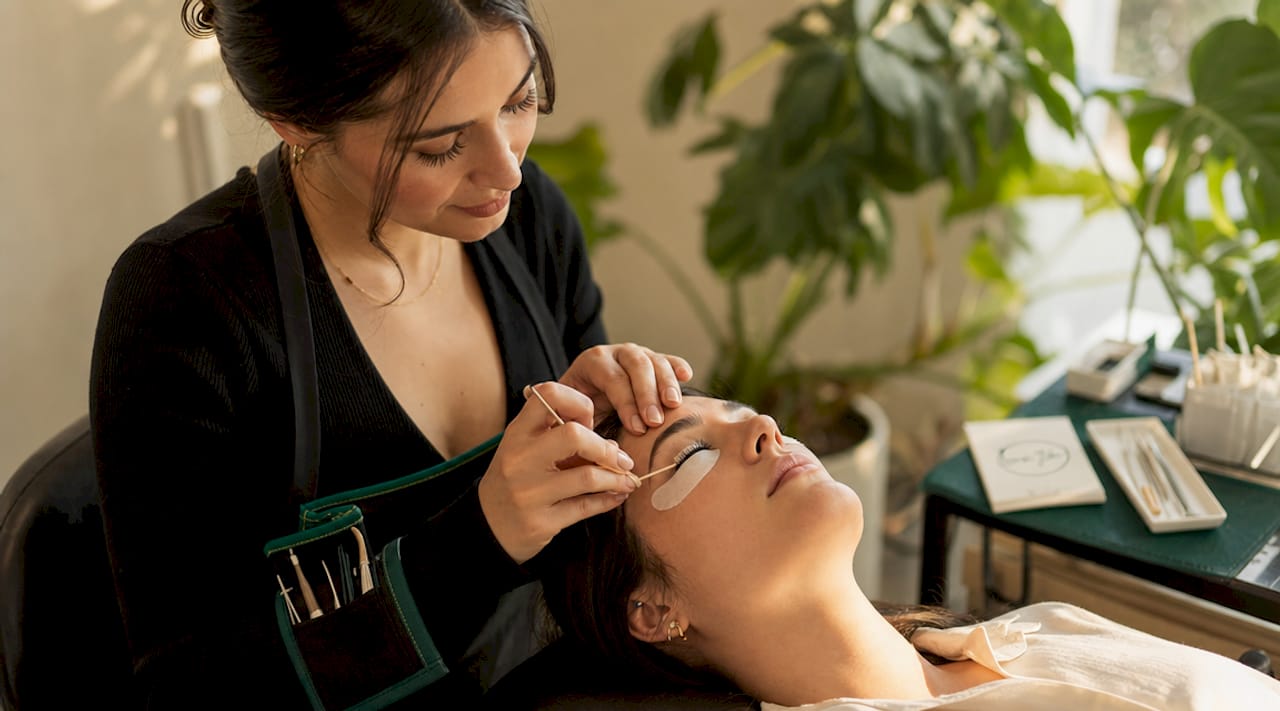
The correct product sequence is equally critical. Lift lotion goes on first, followed by the setting lotion, then a thorough lash bath before any tint is applied. Applying tint between lift and setting steps is one of the most common causes of lift failure, because the chemical process is interrupted before the lash structure has been fixed into its new shape. Tint belongs at the end, not in the middle.
Pro Tip: After the lash bath, blot lashes completely dry before applying tint. Residual moisture dilutes the tint formula and produces uneven, patchy color.
Key procedural steps every certified artist follows:
- Assess lash type, length, and condition before selecting rod size
- Choose processing time based on lash thickness and prior chemical exposure
- Apply lift lotion, then setting lotion, then lash bath in strict sequence
- Perform a flex check at the midpoint of the lift stage
- Apply tint only after the lash bath is complete and lashes are dry
2. How certified artists manage client safety and allergic reactions
Patch testing is the single most important safety step in a professional lash lift protocol. A patch test with a 48 to 72 hour wait before the appointment gives enough time for a delayed hypersensitivity reaction to appear. Any redness, swelling, or itching at the test site means the treatment should not proceed. Certified artists treat this step as a legal and ethical requirement, not a formality.
Client consultation goes beyond asking about allergies. A thorough intake covers recent eye surgeries, contact lens use, current medications, and any history of reactions to chemical treatments. This information shapes product selection, particularly the choice between cysteamine-based formulas and thioglycolic acid-based ones. Clients with sensitive skin or a history of reactions are better served by gentler formulations.
Proper cleaning and disinfection of tools before and after each client is mandatory under professional standards and, in most states, legally required under cosmetology board regulations. Silicone rods, adhesive applicators, and mixing dishes must be sanitized between every appointment. Single-use items like cotton rounds and micro brushes should never be reused.
A structured safety checklist for certified artists:
- Conduct a full client consultation covering allergies, eye health, and chemical history
- Perform a patch test 48 to 72 hours before the scheduled appointment
- Review patch test results at the start of the appointment before proceeding
- Sanitize all reusable tools and prepare single-use items fresh for each client
- Keep a written record of products used, concentrations, and any client reactions
Pro Tip: Document patch test results in the client file, including the product batch number. If a reaction occurs later, this record protects both the client and the artist.
Just as expert guidance on styling tools emphasizes that professional-grade safety protocols prevent long-term damage, the same principle applies directly to lash chemistry. The tools and products may differ, but the discipline is identical.
3. Comparing popular certified lash lift systems
Choosing the right lash lift system is a technical decision, not a brand preference. Elleebana One Shot and Elleeplex Profusion are the two most widely taught systems in certified programs across the United States, and they differ in chemistry, timing, and ideal client profile.
| Feature | Elleebana One Shot | Elleeplex Profusion |
|---|---|---|
| Active ingredient | Thioglycolic acid | Cysteamine |
| Processing time | Shorter (6 to 12 minutes typical) | Longer (10 to 14 minutes typical) |
| Best for | Normal to resistant lashes | Sensitive clients, fine or delicate lashes |
| Format | Single-use sachets | Multi-use tubes |
| FDA status | Widely used in US market | Growing adoption |
| Tint compatibility | Yes, post-lift with Belmacil | Yes, post-lift with compatible tints |
Elleebana uses single-use sachets to prevent cross-contamination and guarantee product freshness at every appointment. This matters because oxidized or improperly stored lifting lotion loses potency and produces inconsistent results. Elleeplex Profusion uses cysteamine-based formulas that are gentler on the lash structure, making it the preferred choice for clients with fine, previously processed, or sensitivity-prone lashes.
The practical takeaway is straightforward. Match the system to the client, not to your personal preference or what was on sale. A certified artist who stocks both systems and knows when to use each one delivers better outcomes than one who applies a single product to every client.
4. Pro tips from certified artists for consistent, lasting results
Consistency in lash lift results comes from documentation, not memory. Maintaining records of client lash type and timings removes the guesswork on repeat visits and allows the artist to refine their approach with each appointment. A client file that includes rod size, lift timing, flex check notes, and tint shade creates a repeatable formula specific to that individual.
Previously processed lashes absorb chemicals faster and are more prone to damage, which means reduced timings and more frequent flex checks are necessary for safety. This is one of the most overlooked variables among newer artists. A client who has had three lifts in a row needs a meaningfully shorter processing time than a first-time client, even if their lashes look healthy.
Tint shade selection is a detail that separates good results from great ones. Matching the tint to the client’s usual mascara color creates a natural, cohesive look rather than a stark contrast. Because tint absorbs faster after a lash lift due to the opened cuticle, the Elleebana protocol recommends approximately five minutes of tint processing post-lift versus ten minutes on untreated lashes. Timing this correctly produces rich, even color without over-darkening.
Aftercare advice directly extends the life of the treatment. Clients should avoid water, steam, and oil-based products for the first 24 to 48 hours. Sleeping on a silk pillowcase reduces friction. Using a lash-safe conditioning serum between appointments maintains lash health and makes the next lift process more predictable.
Pro Tip: Build tint into every lash lift consultation as a default recommendation, not an upsell. Clients who combine both services report higher satisfaction and rebook more consistently.
Key habits of the best lash lift artists:
- Document rod size, timing, and flex check results for every client
- Reduce processing time for previously lifted or chemically treated lashes
- Match tint shade to the client’s natural coloring and mascara preference
- Time tint at five minutes post-lift rather than the standard ten minutes
- Provide written aftercare instructions at every appointment
Key takeaways
Certified lash lift results depend on precise sequencing, client-specific timing, rigorous patch testing, and the right product system for each individual lash type.
| Point | Details |
|---|---|
| Timing is never fixed | Adjust processing time based on lash thickness, condition, and chemical history. |
| Sequence determines success | Apply tint only after lift, setting lotion, and lash bath are fully complete. |
| Patch testing is non-negotiable | A 48 to 72 hour patch test before every appointment reduces risk and builds trust. |
| Match the system to the client | Use Elleebana for resistant lashes and Elleeplex Profusion for sensitive or fine lashes. |
| Documentation creates consistency | Record rod size, timing, and tint shade to replicate results on every return visit. |
What I’ve learned after years of watching lash lifts go wrong
I have seen more lash lift failures caused by skipped steps than by bad products. The flex check gets dropped because an artist is running behind. The patch test gets skipped because a client says they have never reacted before. The tint goes on too early because someone misread the sequence. Every single one of these shortcuts produces a result that is worse than doing nothing.
The trend toward Korean lash lift formulas using cysteamine is genuinely worth paying attention to. These formulas process more slowly, which feels counterintuitive in a fast-paced salon environment, but the slower chemistry gives the artist more control and produces less structural damage over repeated treatments. For clients who book every six to eight weeks, that difference compounds over time.
What I find most undervalued in certification programs is the documentation habit. Artists who keep detailed client files do not just get better results. They build a practice where clients return because the results are reliably good, not occasionally great. That reliability is what turns a skilled technician into a trusted artist.
The other thing worth saying plainly: ongoing education is not optional. Lash chemistry evolves. New systems enter the market. Certification from three years ago does not cover the products available today. The best artists I have observed treat their certification as a starting point, not a finish line. They take refresher courses, follow brands like Elleebana and Elleeplex directly, and stay current on safety guidelines as they update.
— Apna
Experience certified lash lift results at Browvibe
Browvibe’s certified artists apply every protocol covered in this article, from thorough client consultations and patch testing to precise timing and professional-grade products. Every lash lift at Browvibe is tailored to your natural lash type, with tint services built into the consultation by default. The team uses premium products and follows strict hygiene standards to deliver results that are both safe and lasting. If you are ready to experience what a properly executed lash lift feels like, explore the full range of lash and brow services and book your appointment with a certified artist who treats best practices as the baseline, not the exception.
FAQ
What is a lash lift and how long does it last?
A lash lift is a semi-permanent treatment that curls and lifts natural lashes using a chemical solution applied around a silicone rod. Results typically last six to eight weeks depending on lash growth cycle and aftercare.
How do I choose a qualified lash lift artist?
Look for artists certified in recognized systems like Elleebana or Elleeplex Profusion who require a patch test before your appointment and document your lash history. Certification and a structured consultation process are the clearest indicators of professional standards.
Why is patch testing required before a lash lift?
A patch test conducted 48 to 72 hours before the appointment identifies allergic reactions to the lifting or tinting chemicals before they are applied near the eyes. Any reaction at the test site means the treatment should not proceed.
What is the correct order of steps in a professional lash lift?
The correct sequence is lift lotion, setting lotion, lash bath, and then tint. Applying tint before the setting lotion step interrupts the chemical process and causes lift failure.
How does lash history affect processing time?
Previously lifted or chemically treated lashes absorb solutions faster and are more vulnerable to damage. Certified artists reduce processing times and perform more frequent flex checks for clients with prior chemical exposure to avoid over-processing.