A lash lift is defined as a semi-permanent treatment that reshapes your natural lashes into a lifted, curled position, lasting 6–8 weeks without extensions or added volume. Knowing how to choose lash lift curl style correctly makes the difference between a result that flatters your eye shape and one that looks off. The curl type you select depends on four specific factors: your eye shape, natural lash growth direction, lash length, and the look you want to achieve. This guide breaks down every curl option and shows you exactly how to match each one to your anatomy.
What lash lift curl styles are available?
Two primary lash lift techniques form the foundation of every curl style. The Classic technique uses a rounded silicone shield to create a dramatic, tight curl. The Korean technique uses a flatter shield to produce a straighter, elongated root lift with less curl intensity. Each technique suits a different lash type and aesthetic goal.
Within these two approaches, lash artists work with five main curl labels. Understanding each one helps you walk into your appointment knowing what to ask for.
- B curl: The gentlest option. Produces a subtle, natural lift with minimal curl. Best for lashes that already grow slightly upward and for clients who want a barely-there enhancement.
- C curl: The most popular choice. Creates a classic, open-eyed look with a moderate curl. Works well on most lash lengths and eye shapes.
- D curl: A tighter, more dramatic curl. Adds visible definition and works best on medium to long lashes. Creates a wide-awake, mascara-like effect without mascara.
- M curl: Lifts from the root with a straighter base, then curls at the tip. Suits lashes that grow downward and clients who want root lift without a full curl.
- L curl: The most dramatic option. Lifts lashes almost vertically before curling outward. Designed specifically for very downward-growing or resistant lashes.
| Curl Type | Intensity | Best For | Visual Effect |
|---|---|---|---|
| B curl | Subtle | Upward-growing lashes, natural look | Gentle lift, barely noticeable |
| C curl | Moderate | Most eye shapes and lash lengths | Open, refreshed appearance |
| D curl | Dramatic | Medium to long lashes | Bold, wide-awake definition |
| M curl | Root-focused | Downward-growing lashes | Lifted root, soft tip curl |
| L curl | Maximum | Resistant or very downward lashes | Vertical lift with outward curl |
The lash shapes a lift creates vary significantly based on which curl label and tool size your artist selects. Choosing a larger shield or rod size produces a softer, more natural arc. A smaller size creates a tighter, more defined curl.
How do your natural lashes affect curl selection?
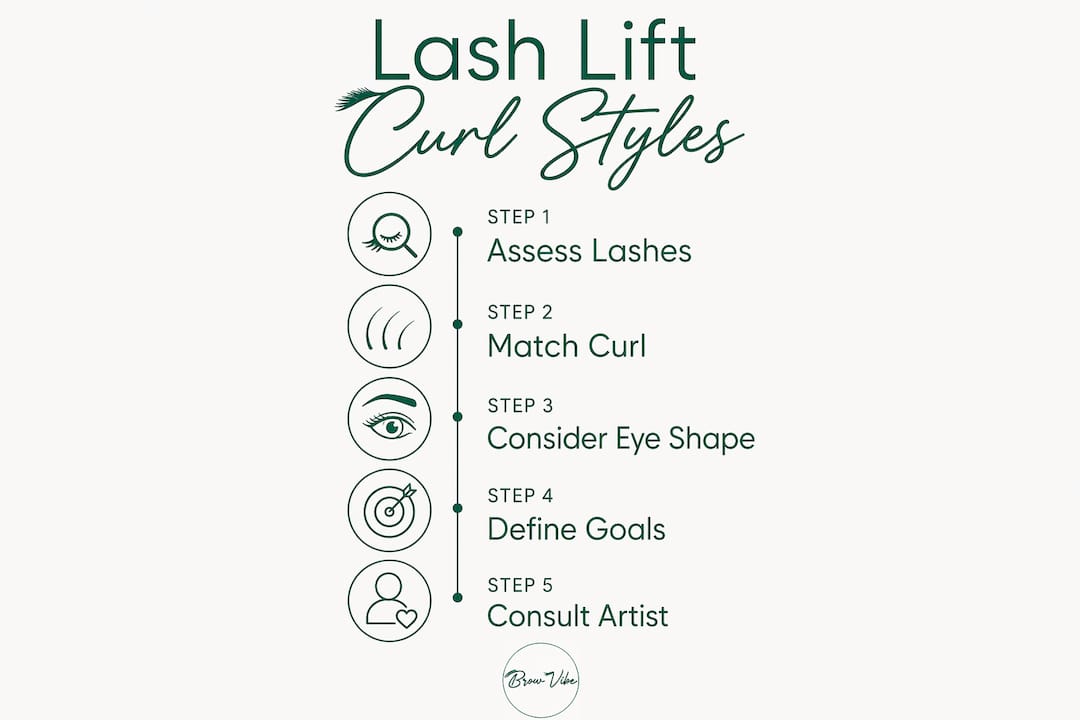
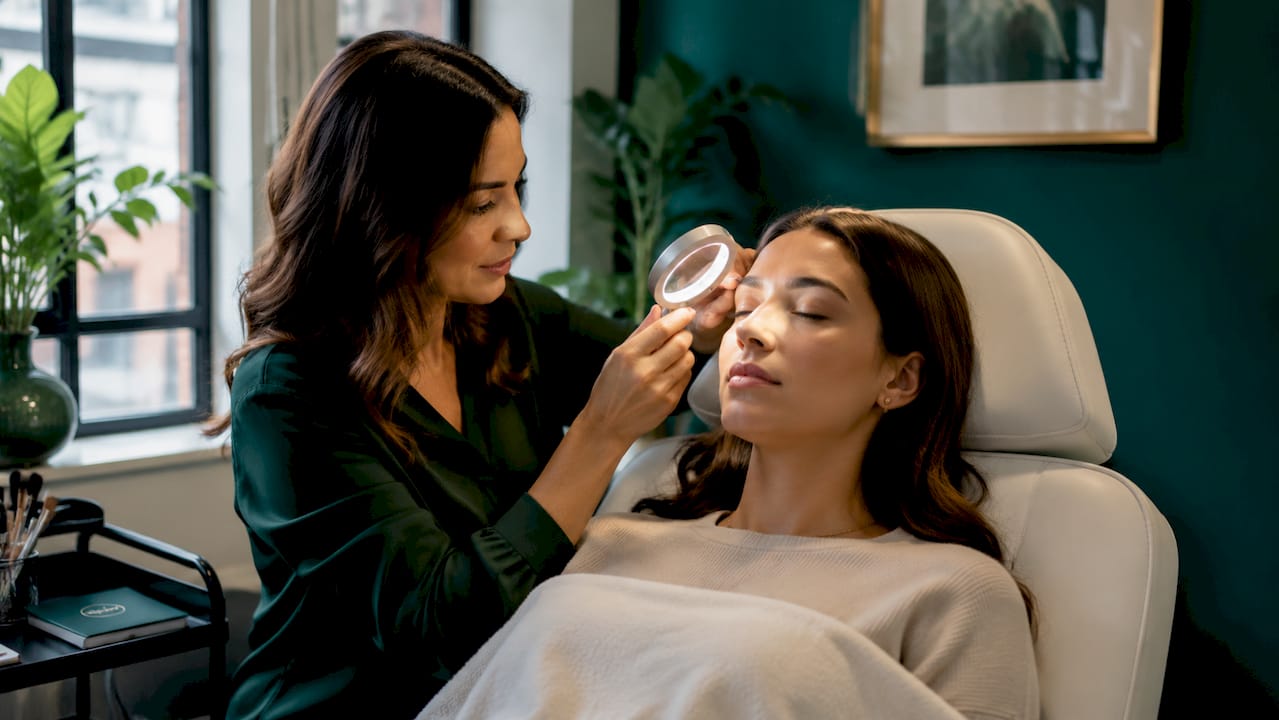
Your lashes tell the artist exactly which curl will work before any product touches them. Three physical traits drive this assessment: lash length, growth direction, and overall lash density.
Lash length directly limits which curls are safe and flattering. An overly dramatic curl on short lashes can visually shorten them further, creating an unnatural, stubby appearance. Short lashes perform best with B or C curls. Medium lashes handle C or D curls well. Long lashes can support any curl, including the more dramatic D and L options.
Growth direction is the factor most clients overlook. Lashes that grow straight outward or slightly upward respond well to shield lifts, which extend and elongate without forcing a tight bend. Lashes that grow downward need a rod lift or an M or L curl to redirect them upward from the root. Korean lifts excel with resistant or downward-growing lashes because the flat shield controls direction more precisely.
Eye shape completes the picture. Hooded eyes benefit from curls that push lashes outward beyond the brow bone, making the eye appear more open. Round eyes look better with elongating styles rather than curls that emphasize roundness. The full breakdown of eye shape and lash lift combinations shows how each shape responds to different curl intensities.
Pro Tip: Before your appointment, look at your lashes in natural light without mascara. Notice whether they point downward, straight out, or already curve upward. This single observation tells your artist more than any photo reference you could bring.
A dry lash assessment before applying any product is the professional standard for reading growth direction accurately. This step prevents over-processing and avoids unnatural kinks that result from forcing lashes against their natural angle.
How to match your curl style to your eye shape and goals
The right curl style is not the most dramatic one available. The best curl is the one matched to your eye anatomy and lash characteristics, not the one that looks impressive in a photo.
Here is how to match curl type to the four most common eye shapes:
- Almond eyes: The most versatile shape. C and D curls both work well. Choose C for a natural daily look and D for a more defined, dressed-up result.
- Hooded eyes: Go with a C or D curl combined with a smaller rod size. The tighter curl pushes lashes past the hood, making the eye appear larger and more open.
- Round eyes: Choose a B or C curl with a larger shield to elongate rather than widen. An L or D curl on round eyes can create an overly surprised expression.
- Deep-set eyes: A C curl with a medium rod size works best. It lifts lashes into the light without curling them back toward the brow bone.
Pro Tip: Ask your artist to adjust the rod or shield size rather than jumping to a more dramatic curl label. A C curl on a small rod produces nearly the same intensity as a D curl on a medium rod, with more control over the final shape.
Your personal goal also shapes the decision. Clients who want a natural, no-makeup look should stay with B or C curls on larger shields. Clients who want a mascara-free bold look should consider D curls on medium rods. Clients with downward-growing lashes who want any visible lift at all should start with an M or L curl regardless of length.
Selecting lash curl type is most accurate when done through a full consultation that covers all four factors together. A professional consultation addressing lash length, eye shape, and desired aesthetic produces a balanced lift that complements your features rather than working against them.
Common mistakes when choosing and executing lash lift curls
Most unsatisfying lash lift results trace back to a handful of avoidable errors. Knowing them ahead of time protects your lashes and your money.
- Choosing by preference alone. Picking a curl because it looks good on someone else ignores your own anatomy. A D curl that looks stunning on long, upward-growing lashes can look unnatural on short, downward-growing ones.
- Ignoring growth direction. Placing a shield or rod against the natural lash angle forces the lash into an unnatural position. This leads to kinks, uneven curl, and faster fade. Matching lift style to natural lash direction prevents overprocessing and improves the final result.
- Going too dramatic on short lashes. Short lashes with tight curls curl back toward the lid instead of projecting outward. The result looks shorter, not longer.
- Skipping aftercare. Daily spoolie brushing after washing preserves curl shape and prevents lash clumping. Skipping this step is the fastest way to lose your curl definition within the first two weeks.
- Poor communication with your artist. Bring reference photos showing the effect you want, not just the curl label. “I want a C curl” means different things to different artists. Showing a photo of lifted, natural-looking lashes removes the guesswork.
“The most common reason a lash lift disappoints is not the curl type. It is the mismatch between the curl chosen and the lash it was applied to.”
Correcting a poor curl choice after the fact requires either waiting for the lift to grow out or seeking a safe reversal process. Prevention through proper assessment costs nothing extra and saves significant frustration.
Key Takeaways
The right lash lift curl style is determined by eye shape, lash length, growth direction, and your desired result, not by trend or personal preference alone.
| Point | Details |
|---|---|
| Curl type drives the outcome | B through L curls range from subtle to dramatic; match intensity to lash length and eye shape. |
| Growth direction is non-negotiable | Downward-growing lashes need M or L curls; upward-growing lashes suit B or C curls. |
| Eye shape refines the choice | Hooded eyes need outward-pushing curls; round eyes need elongating styles, not wider ones. |
| Shield or rod size adjusts intensity | A larger tool produces a softer arc; a smaller tool tightens the curl without changing the label. |
| Aftercare preserves the result | Daily spoolie brushing after washing maintains curl shape and extends lift longevity. |
What I’ve learned from watching clients skip the consultation
The clients who leave happiest are never the ones who came in with the most specific curl request. They are the ones who came in open to assessment. I have seen clients convinced they needed a D curl walk out thrilled with a C curl on a slightly smaller rod because the artist took ten minutes to look at their actual lashes first.
The anatomy-first approach is not a sales tactic. It is the only way to get a result that still looks good in week six, not just week one. A curl that fights your natural lash direction fades unevenly and loses its shape faster. A curl matched to your growth pattern holds its arc cleanly through the full 6–8 week cycle.
The other thing most articles skip: maintenance matters as much as the curl choice itself. Lash lift longevity depends heavily on what you do in the first 48 hours and the weeks after. Clients who brush daily and avoid oil-based products near their lashes consistently report better results at the four and six week marks.
My honest recommendation is to treat the consultation as the most important part of the appointment. Bring photos, describe your daily routine, and tell your artist whether you wear mascara regularly. Those details shape the curl decision more than any chart or guide can.
— Apna
Personalized lash lift services at Browvibe
Getting the curl right starts with the right conversation. Browvibe’s certified beauty artists conduct full consultations before every lash lift, assessing your natural lash growth, length, and eye shape to recommend the curl style that genuinely suits you.
Every treatment at Browvibe uses premium, gentle products selected for lash health and lasting results. Whether you want a subtle B curl for everyday wear or a defined D curl for a bolder look, the team tailors the approach to your features. Browvibe also provides aftercare guidance so your curl holds its shape through the full wear cycle. Book your personalized lash lift treatment at Browvibe and get a result built around your eyes, not a one-size-fits-all template.
FAQ
What is the most popular lash lift curl style?
The C curl is the most widely requested style because it suits most eye shapes and lash lengths. It creates a natural, open-eyed look without appearing overly dramatic.
How do I choose a curl style for hooded eyes?
Hooded eyes benefit from C or D curls on a smaller rod, which push lashes outward past the brow bone and make the eye appear more open. Avoid very gentle curls like B, which may not clear the hood.
Can short lashes get a lash lift?
Yes, but short lashes should stay with B or C curls. Tighter curls like D or L on short lashes curl back toward the lid and can make lashes look shorter rather than longer.
How long does a lash lift curl last?
A lash lift lasts 6–8 weeks depending on your natural lash growth cycle and aftercare routine. Daily brushing and avoiding oil-based products near the lashes extend the result.
What is the difference between a Classic and Korean lash lift?
A Classic lash lift uses a rounded shield for a dramatic curl, while a Korean lash lift uses a flat shield for a straighter, elongated root lift. Korean lifts work best for resistant or downward-growing lashes.