A lash lift is defined as a semi-permanent treatment that chemically reshapes your natural lashes using silicone tools, and the lash shapes a lash lift creates depend almost entirely on which tool your technician selects. Rods produce a rounded curl arc, flat shields deliver a straighter vertical lift, and hybrid shields land somewhere between the two. The lift solution breaks disulfide bonds in the lash hair, sets the new shape on the chosen form, then a neutralizer locks the curl in place. Understanding which tool creates which shape helps you walk into your appointment knowing exactly what to ask for.
1. How different lash lift tools shape your lashes
The three silicone tools used in lash lifting each produce a distinct lash shape, and choosing between them is the single most important decision in any lift appointment.
Rods are cylindrical, so lashes wrap around them to generate a true rounded curl that starts at the mid-shaft. The result is a visible curl arc you can see from both the front and the side. This is the classic “curled lash” look most people picture when they think of a lash lift.
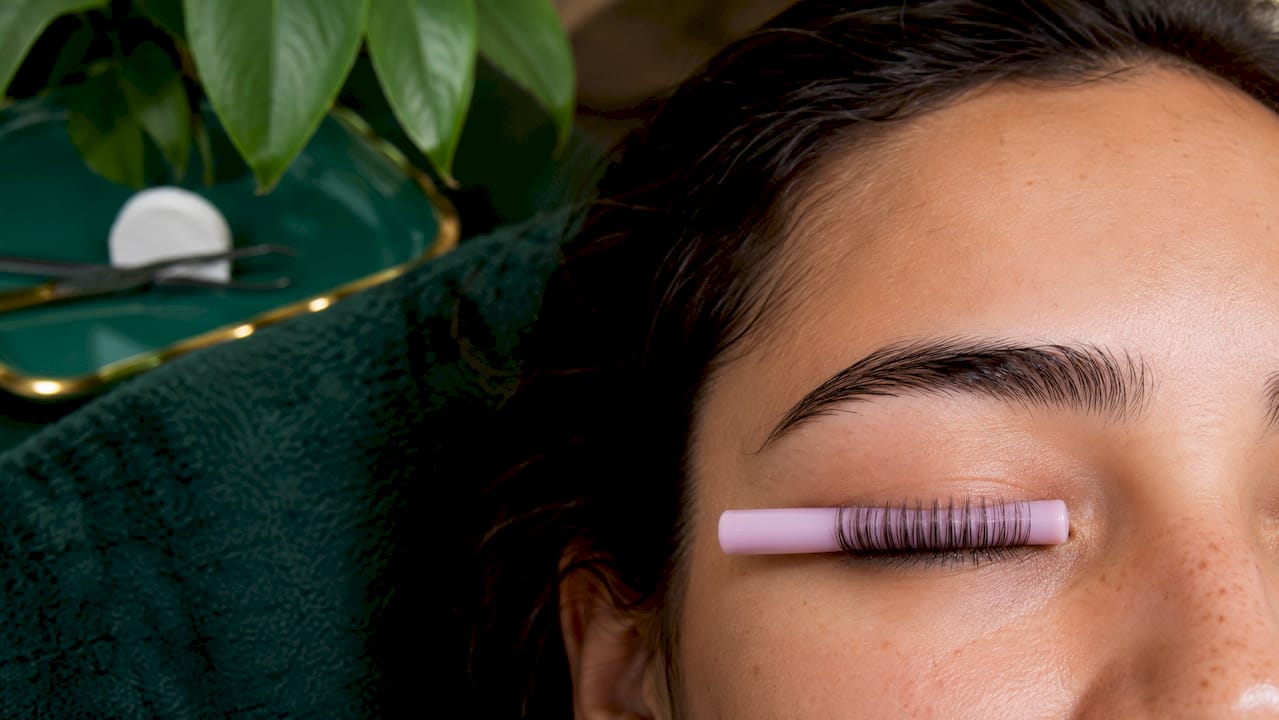
Flat silicone shields lift lashes upward from the base without tight curling, creating a straighter, more vertical shape. The effect is an elongated, eye-opening look rather than a dramatic curl. Shields work especially well for protruding eyes or short lashes where a tight curl would disappear against the lid.
Hybrid shields combine the base-lifting quality of a flat shield with a gentle mid-length curl. The outcome is a naturally lifted look that reads as polished without appearing overdone. Most clients who want “lifted but natural” land on a hybrid.
| Tool | Curl style | Best visual effect | Ideal for |
|---|---|---|---|
| Rod | Rounded curl from mid-shaft | Dramatic, curled arc | Downward or straight lashes |
| Flat shield | Straight vertical lift from root | Elongated, eye-opening | Short lashes, protruding eyes |
| Hybrid shield | Base lift plus moderate curl | Natural, polished lift | Most lash and eye types |
Pro Tip: Ask your technician to show you each tool before the appointment starts. Seeing the physical shape of the form tells you more about your final result than any photo filter.
2. How tool size controls curl tightness
Choosing the right tool type is only half the equation. The size of that tool determines how tight or soft the resulting curl actually is.
Smaller rods and shields produce tighter curls and more dramatic lifts because lashes must bend more sharply to conform to a narrower diameter. A small rod on medium-length lashes creates a bold, noticeable curl. A large rod on the same lashes produces a gentle wave that reads as natural.
Lash length is the primary factor in size selection. Short lashes (under 8mm) need a smaller form to achieve any visible lift at all. Long lashes (over 12mm) need a larger form to avoid over-curling, where the lash tip folds back toward the lid. Incorrect sizing causes over-curling, lash tip folding, or uneven curl results that require corrective treatment.
| Lash length | Recommended form size | Expected curl result |
|---|---|---|
| Under 8mm | XS or S | Tight, defined curl |
| 8mm to 11mm | S or M | Moderate, balanced curl |
| 12mm to 14mm | M or L | Soft, open lift |
| Over 14mm | L or XL | Gentle wave, natural look |
Lash thickness also matters. Thick, coarse lashes resist curling and may need a smaller form or extended processing time to achieve the same shape as finer lashes on a medium form.
Pro Tip: If you have lashes of mixed lengths across your lash line, a skilled technician will use two different form sizes on one eye. This is standard practice at quality studios and produces far more even results than a single-size approach.
3. Matching lash shapes to your eye shape
The most flattering lash lift result comes from matching the tool and shape to your specific eye shape, not from copying a look you saw online. Tool selection matched to eye shape is what separates a lift that transforms your face from one that simply curls your lashes.
Here is how different eye shapes respond to each lift style:
- Hooded eyes: The lid fold covers part of the lash line, so a rod or hybrid shield with visible curl extension is needed to push lashes above the hood and create the appearance of more open eyes.
- Almond eyes: This shape is the most flexible. Rods, shields, and hybrids all work well. The choice comes down to personal preference for dramatic versus natural.
- Round eyes: A shield or hybrid that lifts upward and slightly outward at the outer corners creates an elongating effect that balances the roundness.
- Monolid eyes: Rods with a tighter curl work best because the flat lid surface needs a pronounced curl to show any lift at all.
- Protruding eyes: Flat shields are the strongest choice. A tight curl on protruding eyes pushes lashes forward and makes the eye appear more prominent. A vertical lift creates a more refined look.
- Deep-set eyes: Hybrid shields or medium rods open the eye area without creating a curl that disappears into the socket shadow.
Lash direction also drives tool choice. Downward-growing lashes need rods to correct the angle and add curl. Straight or slightly upward lashes respond well to shields or hybrids, which redirect rather than dramatically reshape.
4. Aftercare that preserves your lash shape
The shape your technician creates in the treatment room can fade faster than it should if aftercare is ignored. A lash lift typically lasts 6 to 8 weeks, but that window shrinks significantly without proper care in the first two days.
The first 24 to 48 hours are the most critical. Avoid water, steam, mascara, oil-based cleansers, and sleeping face down during this window. The chemical bonds that hold your new lash shape are still stabilizing, and moisture or pressure can cause uneven curl loss or premature fading.
After the initial 48 hours, a few habits extend your results noticeably. Apply a lash-safe nourishing serum around the eye area to keep the lash fiber hydrated, which helps the curl hold its shape longer. When you do wear mascara, choose a fiber-free lifting formula rather than a waterproof version, since waterproof formulas require oil-based removers that break down the lift bond.
If you had a tint added alongside your lift, avoid exfoliating cleansers near the eye area, as they accelerate color fade and can disrupt the curl at the same time. Proper aftercare directly influences both the longevity and the evenness of the lash shape, especially in that critical first 48 hours.
Pro Tip: Sleep on a silk pillowcase during the first week. Silk creates less friction than cotton, which means less mechanical stress on the curl while the shape is still settling.
5. Comparing lash lift styles: which one fits your life?
Choosing a lash lift style is not just about aesthetics. Your lifestyle, makeup habits, and how often you want to return for touch-ups all factor into which shape makes the most practical sense for you.
Tight curl from a rod suits you if you want a dramatic, eye-opening result that is visible without mascara. The trade-off is that the curl is more obvious as it softens over weeks, so the “before and after” contrast between week one and week seven is noticeable. This style works well for clients who wear minimal eye makeup and want their lashes to do the heavy lifting.
Straight vertical lift from a shield suits you if you prefer a natural, lengthening effect that reads as “your lashes but better.” The lift fades more gracefully because there was never a sharp curl to lose. This is the go-to for clients who wear eyeliner and mascara regularly and want a lift that complements rather than competes with their makeup.
Hybrid shield lift is the most versatile option. The hybrid is the most adaptable tool, suitable for most lash and eye shapes, and it balances curl and lift for results that look natural at every stage of the growth cycle.
Korean lash lift techniques use larger shields and specialized timing steps to produce a softer, more directional lift that avoids dramatic curls entirely. This style has grown in popularity among clients who want a polished, groomed look without any visible curl arc. If your goal is “effortlessly awake” rather than “full glam,” the Korean method is worth requesting specifically.
| Style | Best for | Maintenance level | Makeup compatibility |
|---|---|---|---|
| Rod curl | Dramatic, curl-forward look | Higher (visible fade) | Works without mascara |
| Shield lift | Natural, elongated look | Lower (fades gracefully) | Pairs well with liner and mascara |
| Hybrid lift | Balanced, versatile look | Moderate | Works with most makeup styles |
| Korean lift | Soft, directional look | Low (subtle fade) | Ideal for minimal makeup |
Key takeaways
The lash shape a lift creates is determined by tool type, tool size, and how well both are matched to your natural lash direction and eye shape.
| Point | Details |
|---|---|
| Tool type sets the shape | Rods curl, shields lift vertically, and hybrids balance both for different visual effects. |
| Size controls curl intensity | Smaller forms create tighter curls; larger forms produce softer, more natural lifts. |
| Eye shape guides tool choice | Hooded eyes need rods or hybrids; protruding eyes benefit most from flat shields. |
| Aftercare protects the result | Avoiding water and oil for 48 hours after treatment preserves curl evenness and longevity. |
| Korean lifts offer a softer option | Larger shields and precise timing produce a directional, natural lift without a visible curl arc. |
What I have learned from watching clients choose the wrong curl
The most common mistake I see is clients choosing a lash lift shape based on a photo rather than their own lash direction. A tight rod curl looks stunning on someone with naturally straight lashes pointing forward. On someone with downward-growing lashes, that same rod corrects the angle beautifully. But put a tight rod curl on someone whose lashes already grow upward, and you end up with lashes that fold back toward the lid by week three.
Lash lifts reshape existing lashes but do not add volume or length. Your natural lash baseline is the ceiling. Clients who understand this walk away satisfied. Clients who expect a lash extension effect from a lift are always disappointed, regardless of which tool was used.
The other thing I have noticed is that most people who say they want a “dramatic” lift actually want a “noticeable” lift. When I ask them to describe what they mean, they describe a hybrid result, not a rod result. The language around lash lift styles is imprecise, which is exactly why a proper consultation before the appointment matters more than the treatment itself.
If something does go wrong with sizing or technique, knowing your options matters. A safe lash lift correction is possible, but it is far better to get the tool selection right the first time. Work with a technician who assesses your natural lash angle before reaching for a form, not one who uses the same size on every client.
— Apna
Get the right lash shape from your very first lift
At Browvibe, every lash lift begins with a full consultation where a certified beauty artist assesses your natural lash direction, eye shape, and aesthetic goals before selecting a single tool. That means you leave with a shape that was designed for your face, not a one-size-fits-all curl. Browvibe uses premium silicone forms and gentle, tested solutions to deliver results that last the full 6 to 8 weeks without compromising lash health. Whether you want a dramatic rod curl, a soft Korean-style lift, or a natural hybrid shape, the team at Browvibe matches the technique to you. Explore the full range of lash and brow services and book your consultation today.
FAQ
What lash shapes does a lash lift create?
A lash lift creates three main shapes depending on the tool used: a rounded curl arc from rods, a straight vertical lift from flat shields, and a balanced natural lift from hybrid shields. The size of the tool further controls how tight or soft the curl appears.
How long do lash lift results last?
A lash lift typically lasts 6 to 8 weeks, with the curl softening gradually as lashes shed and new growth emerges. Careful aftercare in the first 48 hours is the biggest factor in how long the shape holds.
Which lash lift style suits hooded eyes?
Hooded eyes benefit most from rod or hybrid shield lifts, which push lashes above the lid fold and create visible curl extension. Flat shields alone may not produce enough curl to show above the hood.
What is a Korean lash lift?
A Korean lash lift uses larger shields and specialized timing steps to create a soft, directional lift without a visible curl arc. It is the preferred style for clients who want a natural, groomed look rather than a dramatic curl.
Can a lash lift go wrong, and what can you do?
Incorrect tool sizing can cause over-curling, lash tip folding, or uneven results. If this happens, a professional lash lift removal can correct the issue safely without damaging your natural lashes.
6 Responses