
Precision brow shaping is defined as a professional, multi-step treatment that uses individualized facial analysis and brow mapping techniques to create symmetrical, well-defined eyebrows that enhance your natural features. Unlike a quick tidy-up at home, this process applies proportional systems like the Golden Ratio to determine exactly where your brow should start, arch, and end based on your unique bone structure. Techniques including threading, waxing, and tweezing are selected based on your skin and hair type. The result is a balanced, lifted look that frames your eyes and fits your face, not someone else’s.
What is precision brow shaping and how does it work?
Precision brow shaping is a systemized treatment that goes well beyond simple hair removal. In professional settings, it is also called brow sculpting, and the two terms describe the same structured approach to designing eyebrows with intention and accuracy. The process begins with a full facial proportion analysis before a single hair is removed.
The Golden Ratio is central to precise brow mapping. A certified artist identifies three fixed points: the brow start (aligned vertically from the center of your nostril), the arch (aligned through the middle of your iris), and the tail (ending near the outer corner of your eye). These landmarks are not guesses. They are measurements that account for your specific facial anatomy.
Once mapping is complete, the artist selects the right hair removal method. Threading, waxing, and tweezing each serve a different purpose, and professionals often combine them for the best outcome. Threading delivers the highest precision and works well for sensitive skin. Waxing clears bulk hair quickly. Tweezing handles fine detail and stray hairs that other methods miss.
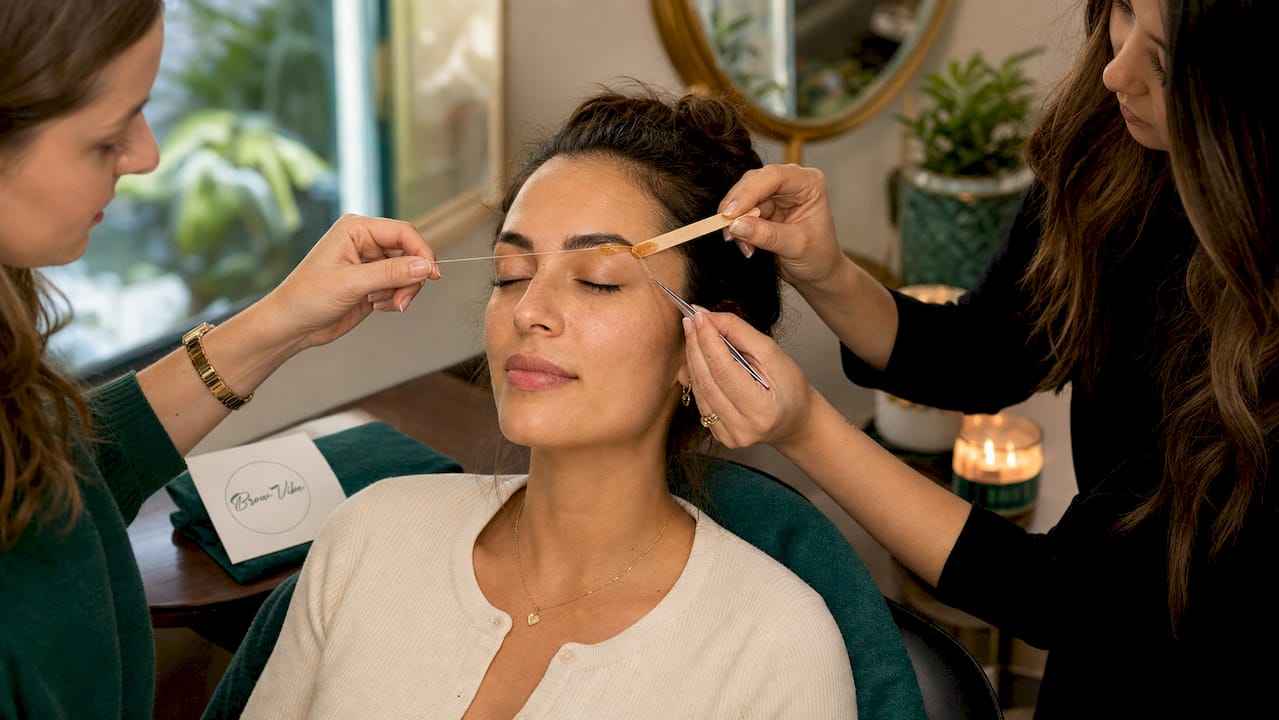
Advanced precision shaping can also include tinting and lamination to restructure hair growth and enhance the brow’s overall shape. These additions preserve hair integrity while giving the brows more definition and fullness.
The step-by-step process at a professional appointment
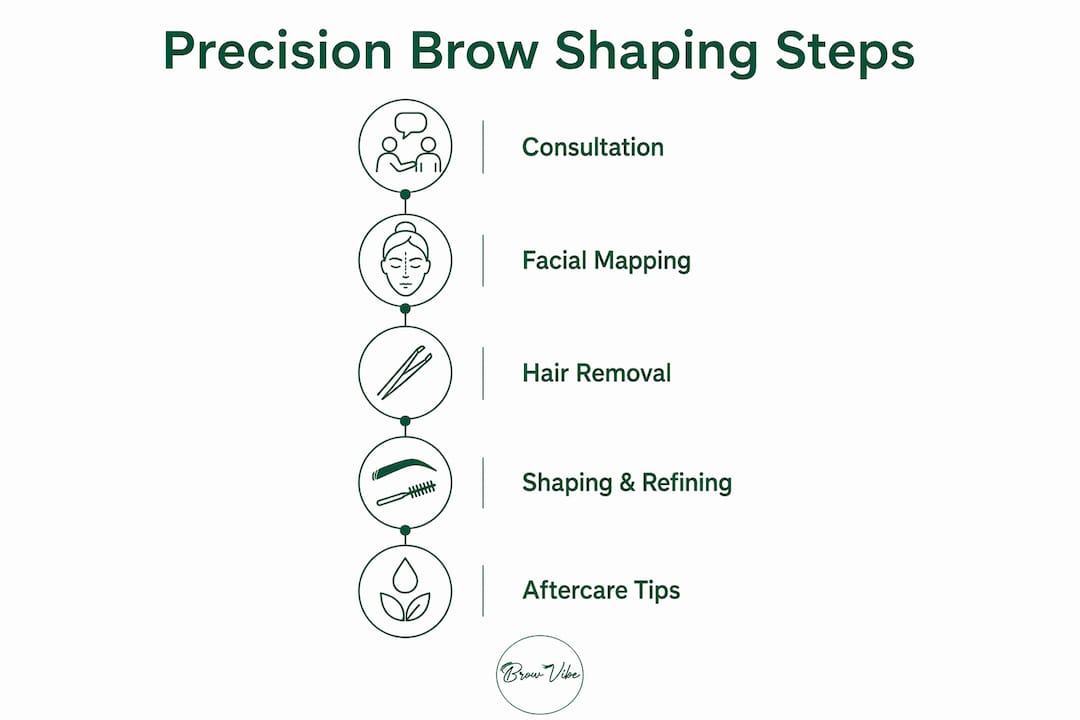
- Consultation: Your artist reviews your facial structure, natural brow growth, and your goals.
- Facial analysis: Proportions are assessed using the Golden Ratio and your specific landmarks.
- Brow mapping: The artist marks the start, arch, and tail points with a mapping pencil or thread.
- Hair removal: Threading, waxing, or tweezing is applied based on your skin type and brow density.
- Refinement: Fine stray hairs are removed with tweezers for a clean, precise finish.
- Review: You and your artist assess the result together before the appointment ends.
Pro Tip: Ask your artist to show you the mapped points before any hair is removed. Seeing the plan on your face lets you flag concerns before they become permanent.
What are the benefits of precision brow shaping?
Precision brow mapping improves client confidence and reduces errors by addressing uneven arches and asymmetrical faces systematically. That is the core advantage over traditional, intuition-based shaping. When a professional works from measurements rather than memory, the margin for error shrinks significantly.
Well-shaped brows create a youthful, lifted facial effect. Thin or over-shaped brows, by contrast, can age the face noticeably. Maintaining fullness and correct arch placement is the difference between a look that lifts and one that droops.
Precision shaping also supports long-term hair health. Because the process is planned rather than reactive, artists avoid removing hairs that contribute to the brow’s natural structure. That means fewer regrets and less time waiting for brows to grow back.
| Feature | Precision Brow Shaping | Traditional Shaping |
|---|---|---|
| Planning method | Golden Ratio mapping | Visual estimate |
| Symmetry accuracy | High, based on facial landmarks | Variable, based on experience |
| Hair integrity | Preserved through structured removal | Risk of over-thinning |
| Facial lift effect | Consistent with correct arch placement | Inconsistent |
| Error rate | Lower due to pre-mapped guides | Higher without a system |
Key benefits at a glance:
- Symmetry tailored to your bone structure, not a trend
- Reduced risk of over-plucking or uneven results
- A natural, lifted look that suits your face
- Longer-lasting results with appointments spaced 4–6 weeks apart
- Hair growth preserved for fuller, healthier brows over time
How to avoid common brow shaping mistakes
The most damaging mistake in brow grooming is removing hair from above the brow line. Shaping from the top damages the brow’s structure and causes the eyes to appear droopy. All professional shaping focuses on hairs below the brow bone, along the orbital ridge.
The second most common error is skipping the mapping step. Without marked guidelines, it is easy to remove too much from one side and then try to match the other, creating a cycle of over-thinning. Using a highlighter pencil or mapping thread before any removal prevents this entirely.
At-home maintenance should be limited to minor tweaks between professional appointments. Brows do not grow back quickly like a haircut, so drastic changes at home carry real risk. If you want to try a new shape, use a brow product to mimic the look first before committing to hair removal.
Pro Tip: Between appointments, use a spoolie brush to train your brow hairs upward each morning. This simple habit makes brows look fuller and keeps them growing in the right direction.
Maintenance tips that protect your results:
- Tweeze only stray hairs that fall clearly outside your mapped shape
- Avoid waxing at home if you use retinoids or exfoliating acids, as these thin the skin
- Moisturize the brow area to support healthy hair follicles
- Book a professional touch-up every 4–6 weeks to maintain your shape
- Use a brow lamination treatment between shaping appointments to keep hairs aligned and full-looking
Threading, waxing, or tweezing: which method fits you?
Choosing the right eyebrow shaping technique depends on your skin type, hair density, and sensitivity level. Each method has a specific role in precision shaping, and the best results usually come from combining two or more.
| Method | Best For | Precision Level | Skin Consideration |
|---|---|---|---|
| Threading | Sensitive skin, retinoid users, fine detail | Very high | Chemical-free, no heat |
| Waxing | Thick or overgrown brows, bulk removal | Moderate | Avoid on thin or medicated skin |
| Tweezing | Fine stray hairs, at-home upkeep | High | Minimal irritation when done correctly |
| Combined | Full precision shaping appointments | Highest | Tailored to individual skin health |
Threading is a cotton-thread technique that lifts hair from the follicle with no chemicals or heat. It is the preferred choice for anyone using retinoids, prescription skin treatments, or those with reactive skin. The level of control threading offers makes it the gold standard for precision work.
Waxing removes large sections of hair in one pull, which makes it efficient for clients with dense or overgrown brows. The tradeoff is that waxing covers a broader area, so it requires careful mapping beforehand to avoid removing too much. Waxing is not recommended for clients on blood thinners or those with very thin skin.
Tweezing is the most targeted method available. It removes one hair at a time, which makes it ideal for refining a shape after threading or waxing. At home, tweezing is the safest option for minor upkeep, provided you work only within your established mapped shape.
Combining threading and tweezing, for example, gives you the speed and precision of thread removal with the fine detail control of tweezers. Combining techniques minimizes skin irritation while maximizing accuracy. That combination is the standard approach at professional brow studios.
A note on safety: always confirm your artist is certified and works in a clean, professional environment. Skin reactions, ingrown hairs, and follicle damage are all preventable with proper technique and hygiene standards.
Key takeaways
Precision brow shaping delivers symmetrical, natural-looking results because it replaces guesswork with a structured mapping system built around your facial anatomy.
| Point | Details |
|---|---|
| Mapping is non-negotiable | Golden Ratio landmarks define start, arch, and tail before any hair is removed. |
| Method selection matters | Threading suits sensitive skin; waxing handles bulk; tweezing refines fine detail. |
| Top removal causes damage | Shape from below the brow bone only to preserve structure and prevent drooping. |
| Results last 4–6 weeks | Professional appointments maintain shape while protecting long-term hair health. |
| Precision supports artistry | Structured systems reduce errors and let the artist’s skill shine through consistently. |
Why customized brows beat trend chasing every time
I have seen the same pattern repeat itself for years in brow grooming. A client comes in holding a photo of someone else’s brows and asks to replicate them exactly. The shape looks great on the reference photo. On their face, it looks off, and they cannot quite explain why.
The reason is bone structure. Clients should embrace their unique facial anatomy with customized mapping rather than copying another person’s shape. Trends are designed for a general audience. Your face is specific. A high arch that lifts one person’s eyes can flatten another person’s expression entirely.
What I find most compelling about precision systems is that they do not remove the artist’s touch. Precision supports artistry by providing a consistent, science-backed foundation that the artist then interprets for each individual client. The map is the starting point, not the final word.
The clients who get the best results are the ones who trust the process and communicate openly during the consultation. They describe how they want to feel, not just how they want to look. That distinction leads to brows that feel natural because they are built around who you actually are.
If you are considering a significant brow change, book a professional consultation before touching a single hair. The cost of a consultation is nothing compared to waiting months for over-plucked brows to grow back.
— Apna
Get defined, balanced brows at Browvibe
Browvibe specializes in precision brow shaping using certified threading artists, full consultations, and personalized mapping for every client. Every appointment starts with a facial analysis so your brows are designed for your face, not a template.
Whether you are new to professional brow grooming or looking to refine an existing shape, Browvibe’s team delivers natural, symmetrical results using premium, skin-safe techniques. No harsh chemicals. No guesswork. Just brows that fit you. Visit Browvibe’s brow and lash services to explore available treatments and book your appointment today.
FAQ
What is precision brow shaping in simple terms?
Precision brow shaping is a professional treatment that uses facial measurements and brow mapping to remove hair in a planned, structured way. The goal is symmetrical, natural-looking brows that suit your specific face shape.
How often should you get precision brow shaping done?
Most clients book appointments every 4–6 weeks, with the sharpest results visible in the first 2–3 weeks after each session. Frequency depends on your hair growth rate and how much maintenance you do at home.
Is threading or waxing better for precision eyebrow shaping?
Threading is generally preferred for precision work because it is chemical-free and offers the highest level of control, especially for sensitive skin. Waxing is faster for bulk removal but works best when combined with tweezing for fine detail.
Can i shape my brows at home between appointments?
You can tweeze stray hairs that fall clearly outside your mapped shape, but avoid any major reshaping at home. Brows grow back slowly, so over-plucking between appointments can set back months of careful professional work.
What is the golden ratio in brow shaping?
The Golden Ratio is a proportional system used to identify three key brow points: the start (above the nostril center), the arch (above the iris), and the tail (near the outer eye corner). These measurements create balanced brows that complement your facial structure naturally.
2 Responses