
Sleep position is a direct cause of lash lift failure. A lash lift, known in the industry as a lash perm or keratin lash treatment, chemically reshapes your natural lashes into a lifted curl. The bonds holding that new shape stay soft and vulnerable for the first 24 to 48 hours after treatment. Pressing your lashes against a pillow during that window can permanently deform the curl, shorten your results from eight weeks down to four, and create uneven, crooked lashes that no amount of brushing will fully fix. Understanding why sleep position affects lash lift outcomes is the first step to protecting your investment.
Why does sleep position affect lash lift shape?
A lash lift works by breaking and reforming the disulfide bonds in keratin, the protein that makes up each lash strand. Immediately after treatment, those bonds are in a fragile, transitional state. The lashes hold the shape of whatever surface they contact during this period.
Think of it like heat-styling your hair and then immediately pressing it flat against your pillow. The style does not set the way it should. Lashes follow the same logic. The physical contour of a pillow becomes the new shape your lashes learn if you sleep on your side or face down too soon.
The first 24 to 48 hours are when lashes are most vulnerable to external pressure. Proper care during this window can extend lash lift longevity from four weeks to the full eight weeks. That is a significant difference in value from one simple behavioral change.
Moisture compounds the problem. Oil-based products or steam during the first 48 hours weaken the chemical bonds, causing the lift to drop prematurely. Sweat from sleeping in a warm room counts as moisture exposure. So does burying your face in a pillow that traps heat.
- Lash keratin bonds: Remain pliable and “trainable” for 24 to 48 hours post-treatment
- Pressure: Causes permanent kinks or flattened curls if applied during the setting window
- Moisture: Weakens bonds and causes premature lift drop
- Friction: Rougher pillowcase fabrics accelerate lash misalignment
Pro Tip: Set a phone reminder for 48 hours after your appointment. Until that alarm goes off, treat your lashes like wet nail polish.
How do different sleep positions damage lash lift results?
Not all sleep positions carry equal risk. Back sleeping is the clear winner for maintaining curl shape because lashes face upward and contact nothing. Side sleeping and face-down sleeping each create distinct damage patterns.
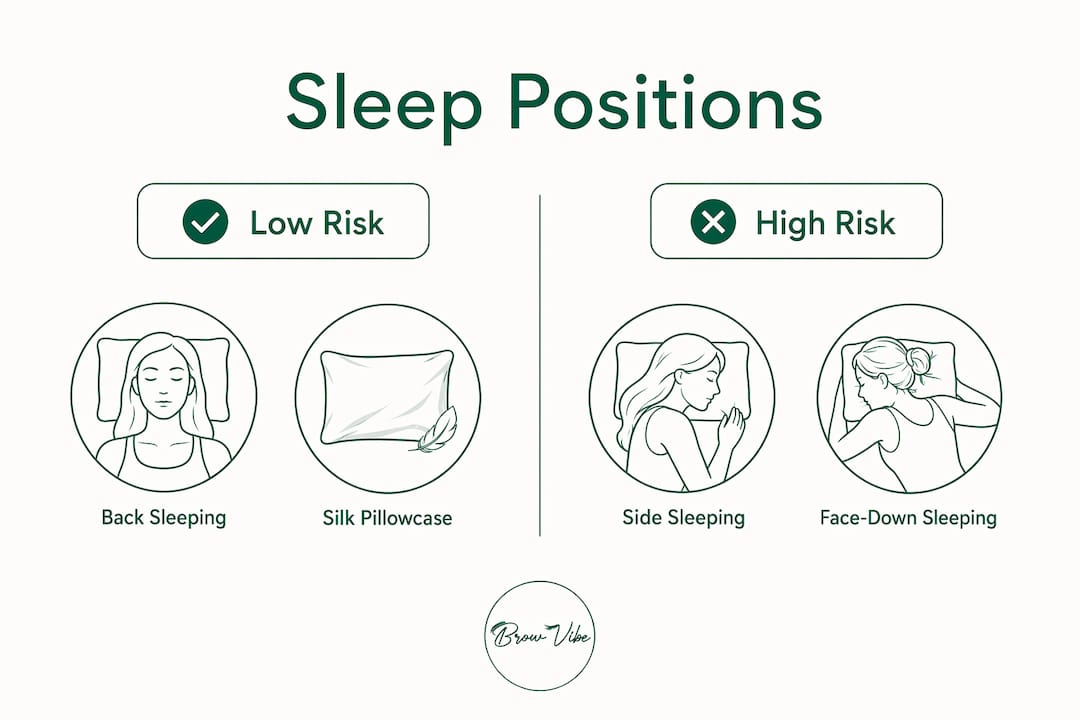
Back sleeping
Back sleeping keeps lashes free from any surface contact. The curl sets exactly as your technician shaped it. This position is the gold standard for the first 48 hours and remains the best long-term habit for lash lift maintenance.
Side sleeping
Side sleeping presses one eye’s lashes directly into the pillow. The outer corners of the lashes have less structural support than the inner corners, making them the first to deform. Side sleepers often notice worse curling or bending on whichever side they favor. The result is asymmetry between left and right eyes, which is one of the most common complaints after a lash lift.
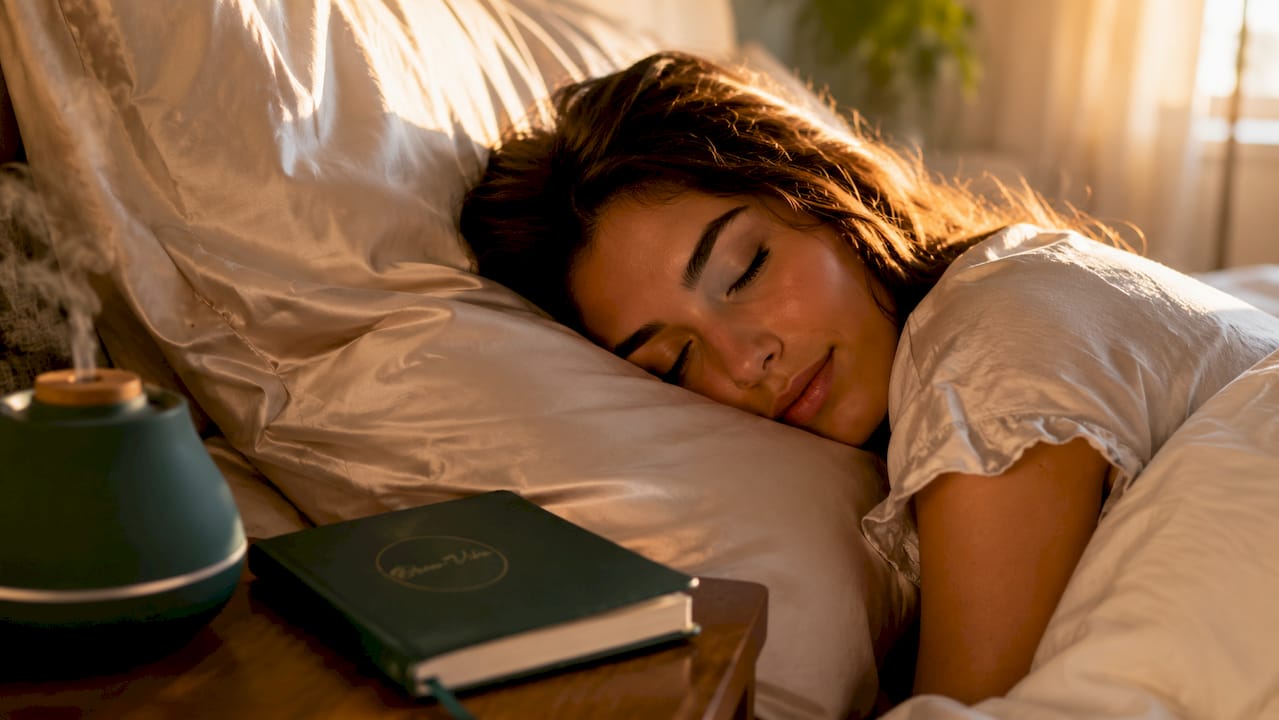
Face-down sleeping
Face-down sleeping applies the most damaging pressure. Lashes press flat against the pillow from multiple angles, and the heat trapped between your face and the pillow adds moisture exposure on top of physical deformation. This position can flatten a lift entirely within a single night if the bonds have not fully set.
| Sleep position | Pressure on lashes | Risk level | Effect on lift |
|---|---|---|---|
| Back sleeping | None | Low | Preserves curl shape fully |
| Side sleeping | Moderate, uneven | High | Causes kinks, asymmetry, outer corner damage |
| Face-down sleeping | Severe, full contact | Very high | Can flatten lift completely |
The physical shape lashes learn during the stability window reflects the pillow contour pressed against them. This explains why one eye often looks different from the other after a night of side sleeping.
Pro Tip: If you wake up on your side, do not panic. Gently brush lashes upward with a clean spoolie immediately. Early correction reduces, but does not eliminate, the damage.
Practical aftercare tips to protect your lash lift while sleeping
Proper lash lift aftercare during sleep comes down to three things: position, surface, and moisture control. Each one is manageable with small adjustments.
Switch to a silk or satin pillowcase
A silk or satin pillowcase reduces friction compared to cotton. Cotton fibers grip and tug at lashes with every movement during sleep. Silk and satin allow lashes to glide without catching. This simple swap leads to longer-lasting lift and less overnight lash damage, even for side sleepers who cannot fully break the habit.
Train yourself to sleep on your back
Back sleeping feels unnatural for habitual side sleepers, but a few techniques help. Place a firm pillow on each side of your body to prevent rolling over. A cervical neck pillow keeps your head centered and discourages turning. Some people use a travel pillow with a center cutout, which keeps the face elevated and lashes contact-free.
Adapt your side sleeping if you cannot change positions
If side sleeping is unavoidable, sleeping on the edge of the pillow so your lashes hang off the side reduces direct pressure. This technique is not perfect, but it significantly cuts the contact time between lashes and fabric.
- Use a silk or satin pillowcase to cut friction and reduce lash tugging overnight
- Sleep on your back for at least the first 48 hours after treatment
- Avoid water, steam, and sweat near lashes during the critical setting window
- Do not rub your eyes in the morning. Pat gently if needed
- Apply a lash conditioning serum after the 48-hour window to keep lashes flexible and healthy
- Brush lashes upward with a clean spoolie each morning to reinforce the curl direction
Pro Tip: Keep a clean spoolie on your nightstand. Brushing lashes upward first thing in the morning takes ten seconds and reinforces the curl direction every single day.
What is the awkward phase, and how does sleep make it worse?
The awkward phase is the period, typically starting around weeks four through six, when new lash growth pushes the lifted lashes outward. The new growth comes in straight while the older, lifted portion still holds a curl. The contrast creates an uneven, sometimes crooked appearance that clients often mistake for a failed treatment.
Sleep position makes the awkward phase arrive sooner and look worse. When side or face-down sleeping has already created kinks in the lifted portion, those kinks become more visible as the lash grows out. The lifted section looks bent rather than smoothly curled, and the new straight growth below it amplifies the contrast.
- Brush daily with a spoolie. Daily brushing does not reverse physical kinks from improper sleep, but it prevents lashes from clumping and redirects their flow for a tidier appearance.
- Avoid mascara on kinked sections. Mascara adds weight that pulls kinked lashes further out of alignment during the grow-out phase.
- Book a follow-up appointment. Most lash lift results last six to eight weeks. If the awkward phase is severe, a technician can assess whether a refresh is appropriate.
- Adjust sleep habits now. Even if the current lift is already in the grow-out phase, correcting sleep position protects the next treatment from day one.
The awkward phase is temporary. It is a natural effect of new growth contrasting with lifted lashes, and it is manageable with consistent aftercare and better sleep habits going forward. Clients who maintain good sleep position habits throughout the full treatment cycle report a smoother, more gradual grow-out with less visible contrast.
Key Takeaways
Sleep position is the single most controllable factor in how long a lash lift lasts and how good it looks throughout the full treatment cycle.
| Point | Details |
|---|---|
| Critical 48-hour window | Lash bonds stay soft for 24 to 48 hours post-treatment; pressure during this time causes permanent damage. |
| Back sleeping is best | Sleeping on your back keeps lashes contact-free and preserves the curl shape your technician created. |
| Side sleeping causes asymmetry | Outer lash corners are most vulnerable; side sleepers often see uneven results between left and right eyes. |
| Silk pillowcases reduce friction | Switching from cotton to silk or satin cuts overnight lash tugging and extends lift longevity. |
| Spoolie brushing manages grow-out | Daily brushing redirects lash flow during the awkward phase but does not fix sleep-induced kinks. |
What I have learned from watching clients protect (and ruin) their lash lifts
The most common thing I hear from clients with dropped or crooked lashes is that they blame the product or the technician. Clients often mistakenly blame the lash technician when physical pressure or moisture during the stability window is the actual cause. After seeing this pattern repeat, I have come to believe that sleep position education is the most underdelivered part of any lash lift service.
What actually works is making the behavior change feel small. Telling someone to “never sleep on their side again” fails every time. Telling someone to use a silk pillowcase and place two pillows beside them for just 48 hours? That sticks. The realistic goal is protecting the critical window, not overhauling someone’s entire sleep life.
Consistency after the 48-hour window still matters. Clients who brush daily, avoid rubbing their eyes, and keep a silk pillowcase long-term consistently get closer to the full eight-week result. The ones who treat aftercare as a two-day task and then go back to old habits usually call around week four wondering why their lift looks flat.
My honest advice: treat the first two nights after a lash lift like a minor inconvenience with a major payoff. The lash lift aftercare steps are not complicated. They just require following through.
— Apna
Lash lift services and aftercare guidance at Browvibe
A lash lift is only as good as the care that follows it. Browvibe’s certified beauty artists walk every client through a full aftercare consultation before they leave the chair, covering sleep position, moisture exposure, and daily habits that protect the lift from day one.

Whether you are booking your first lash lift or trying to get more from your current results, Browvibe’s professional lash services are built around treatments that last. For clients who want to go deeper on protecting their results, the lash lift longevity guide covers every aftercare habit worth building. Browvibe also offers personalized consultations to match curl style, treatment timing, and aftercare plans to your specific lash type and lifestyle.
FAQ
Why do my lashes look crooked after a lash lift?
Crooked lashes after a lash lift are most often caused by sleeping on your side or face down during the first 48 hours, when the keratin bonds are still soft. The outer lash corners are especially vulnerable and take on the shape of whatever surface they press against.
How long should I avoid sleeping on my side after a lash lift?
Avoid side sleeping for at least 48 hours after a lash lift. The chemical bonds need this full window to stabilize, and pressure during this period can cause permanent kinks or uneven curl.
Does a silk pillowcase really help protect a lash lift?
Yes. A silk or satin pillowcase reduces friction compared to cotton, which grips and tugs lashes during movement. This simple change extends lift longevity and reduces overnight lash misalignment for all sleep positions.
What is the awkward phase of a lash lift?
The awkward phase occurs around weeks four through six when new straight lash growth contrasts with the older lifted portion. Sleep-induced kinks make this phase appear sooner and look more pronounced. Daily spoolie brushing helps manage the appearance without reversing the underlying shape.
Can I fix lash lift damage caused by sleeping wrong?
You cannot reverse kinks caused by sleep pressure during the setting window. Daily brushing with a clean spoolie reduces visible clumping and redirects lash flow, but the physical deformation remains until those lashes naturally shed. Correcting sleep habits protects the next treatment cycle from the same outcome.